period swimwear
Missing a holiday beach day, a school swimming lesson, or a spa visit because of your menstrual cycle is frustrating. For years, women who dislike tampons or menstrual cups had few reliable alternatives for swimming.
Modern textile engineering solved this dilemma through the invention of period swimwear.
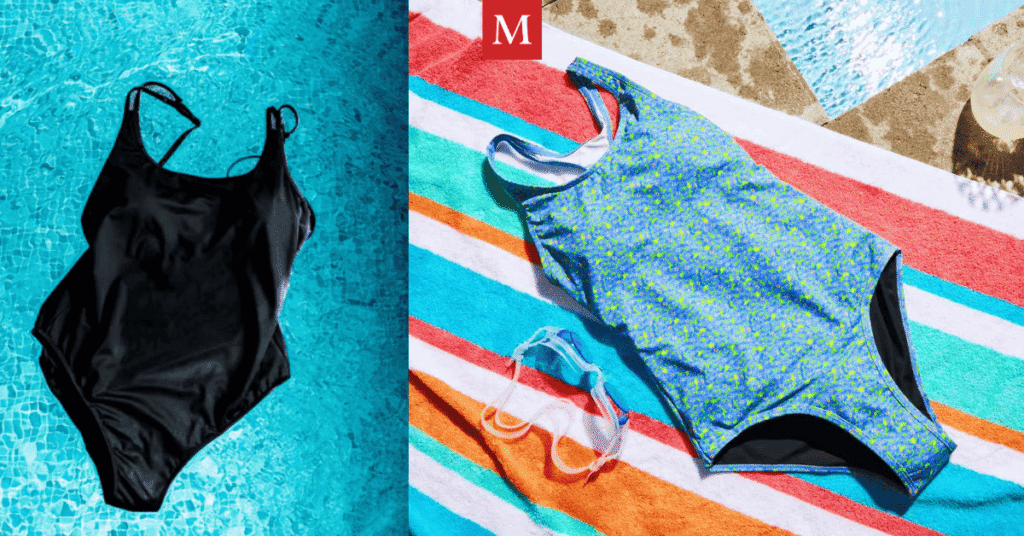
Designed to look identical to standard bikinis and one-piece costumes, these leakproof garments allow you to swim confidently without internal protection. However, many swimmers wonder how the fabric prevents blood from leaking into pool water while keeping external water out.
This comprehensive guide breaks down the multi-layer fabric science, absorbency capacities, hydrostatic water pressure, and essential washing care.
How Period Swimwear Works in the Water
The core technology of period swimwear sits inside a discreet, multi-layered gusset. Unlike bulky sanitary pads that swell up with water, swimwear gussets use ultra-thin technical textiles.
1. The Moisture-Wicking Top Layer
The layer sitting against your skin is made from soft, honeycomb polyester or polyamide. It draws menstrual fluid quickly away from the body into the inner core, keeping your skin dry and preventing chafing.
2. The Absorbent Core
Beneath the wicking layer sits a dense, super-absorbent microfibre or bamboo terry cloth. This fabric traps menstrual fluid securely within its fibres, holding between ten and thirty millilitres of liquid.
3. The Breathable Waterproof Membrane
Underneath the absorbent core lies a thin layer of Thermoplastic Polyurethane (TPU). This technical membrane acts as an impermeable barrier. It blocks menstrual blood from escaping through the costume while stopping pool water from flushing inward.
4. The Chlorine-Resistant Outer Shell
The exterior shell looks like normal swimwear fabric, crafted from recycled nylon or elastane. It features a water-repellent coating that sheds water quickly once you step onto dry land.
Why Pool Water Does Not Wash the Blood Away
A common concern is whether pool water will dilute the blood and leak into the water. In reality, physics and fabric design work together to protect you.
Water creates natural hydrostatic pressure against the outside of your body while swimming. This pressure keeps the fabric pressed firmly against your skin, sealing the leg openings.
Because the internal TPU membrane prevents water from passing through the gusset, the trapped fluid remains locked inside the absorbent core until you wash it.
Managing Different Menstrual Flows
Understanding your flow volume ensures you choose the right absorbency level for your activity:
- Light to Medium Days (1 to 2 Tampons): Period swimwear works brilliantly on its own for beach trips, lane swimming, and relaxing by the pool.
- Heavy Flow Days (3+ Tampons): During heavy bleeding, use period swimwear as a leakproof backup alongside a menstrual cup or tampon for total peace of mind.
- Postpartum and Light Bladder Leaks: New mothers frequently wear leakproof swimwear to manage light spotting or minor stress leaks during aquatic exercise.
Maintaining consistent swimming routines is celebrated for supporting low-impact joint movement, and leakproof swimwear allows you to stay active without pausing for your cycle.
Selecting the Right Silhouette
Period swimwear comes in several styles tailored to different coverage preferences:
- Classic One-Piece Costumes: Provide full torso coverage and secure chest support, ideal for fitness lane swimming and school lessons.
- High-Waisted Bikini Bottoms: Offer vintage style with secure tummy hold, pairing easily with your favourite bikini tops.
- Swim Shorts and Briefs: Provide extra thigh coverage and stay firmly in place during watersports and beach volleyball.
- Teen Swimwear: Scaled specifically for younger bodies with extra discreet gussets, helping teenage swimmers avoid school swimming anxiety.
Washing Instructions to Protect Absorbency
Caring for technical swimwear properly prevents fabric damage and maintains leakproof performance across multiple seasons:
1. Rinse Cold Immediately
Rinse your swimwear under cold running tap water immediately after swimming until the water runs clear. Never use hot water, as heat sets protein stains into fabric fibres.
2. Machine Wash on a Gentle Cycle
Wash the garment at 30°C using a standard mild laundry detergent.
3. Skip Fabric Softeners Completely
Never use fabric conditioners or softeners. Softeners coat fabric fibres with a waxy silicone residue that destroys water absorbency.
4. Air Dry Naturally
Hang the costume to dry naturally in the shade. Avoid tumble dryers, dry cleaning, and direct radiators, as intense heat degrades the waterproof TPU membrane.
Frequently Asked Questions
Can you swim in a public pool with period swimwear?
Yes, period swimwear is completely hygienic and safe for public swimming pools, hot tubs, lakes, and the ocean.
Does period swimwear swell up in water?
No, the slim multi-layer gusset traps fluid internally without expanding, keeping the costume sleek and discreet.
How many hours can you wear period swimwear?
Depending on your flow, you can wear period swimwear comfortably for four to six hours during light to moderate days.
Can teenagers wear period swimwear for school swimming?
Yes, it is especially popular among teenagers because it looks like a normal swimsuit and eliminates the need for tampons during school lessons.