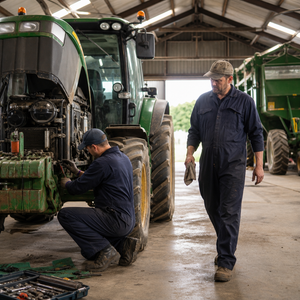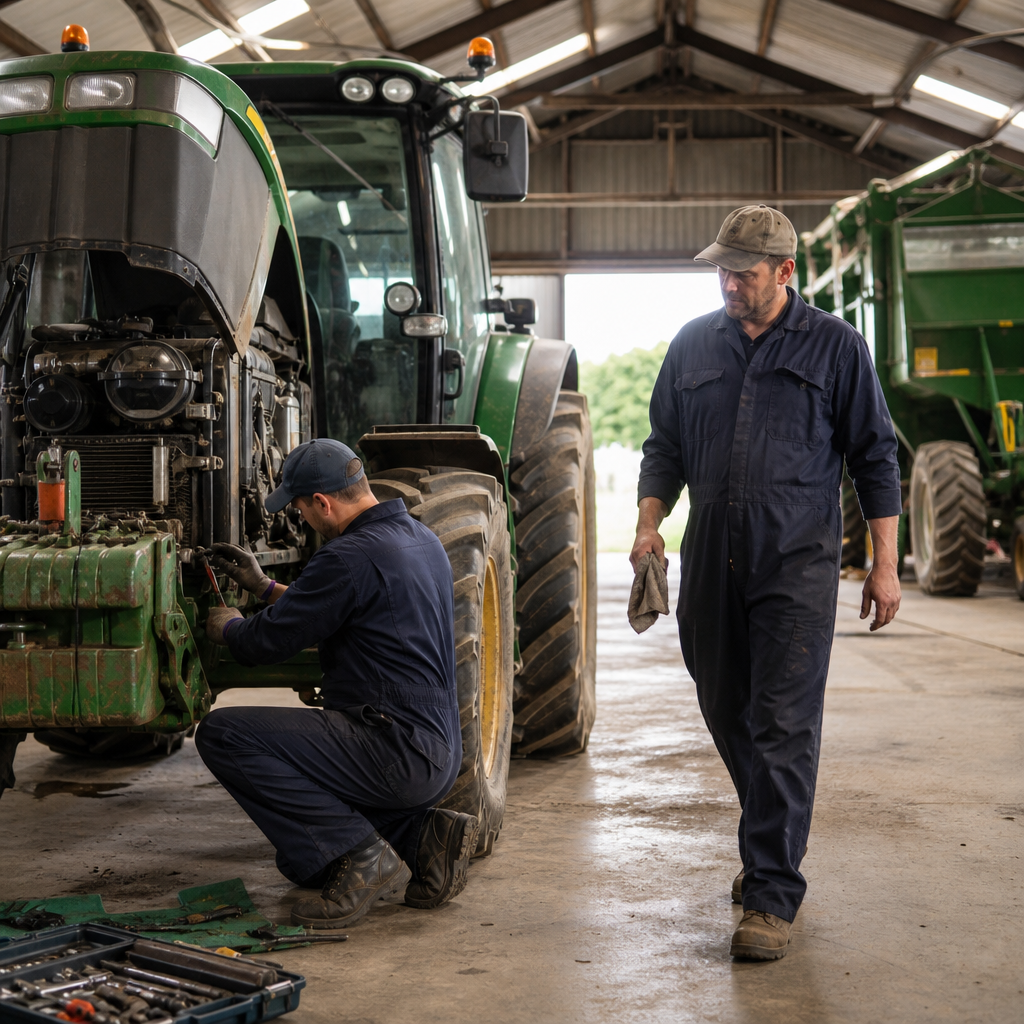
Agricultural machinery breakdowns during harvest or planting season can cost farmers thousands in lost productivity and emergency repair bills. A single day of downtime for a combine harvester during peak harvest can mean the difference between getting crops in before weather turns and watching revenue rot in the field. The solution lies not in reactive repairs but in systematic maintenance schedules that catch problems before they cascade into failures.
Rural communities understand this reality well. From the planting fields to villages where agricultural supply chains converge, the rhythm of farm work depends on machinery that performs reliably under demanding conditions. Yet many operators still treat maintenance as something to squeeze in between tasks rather than as a fundamental part of their operational calendar.
Daily Inspection Routines That Prevent Major Failures
Every piece of farm equipment benefits from a pre-operation walk-around that takes five to ten minutes. This inspection catches fluid leaks, loose bolts, damaged hydraulic hoses, and worn belts before they cause breakdowns in the middle of a field. For tractors, check engine oil levels, coolant, hydraulic fluid, and tire pressure daily during heavy use periods.
Look for unusual sounds during startup. A change in engine tone or new rattling often signals bearing wear or belt tension problems. Similarly, hydraulic systems that respond sluggishly or make whining noises need attention before a hose fails completely. These observations take minimal time but provide early warning of issues that would otherwise sideline equipment when you need it most.
Seasonal Service Points for Tractors and Power Units
Tractors require different attention depending on the season and workload. Before planting season, change engine oil and filters, inspect air filtration systems, and check all fluid levels. Air filters deserve particular attention because dusty field conditions clog them rapidly, reducing engine efficiency and potentially causing damage if debris reaches the cylinders.
Hydraulic systems need seasonal fluid changes and filter replacements. Most manufacturers recommend changing hydraulic fluid every 1,000 hours of operation or annually, whichever comes first. Contaminated hydraulic fluid causes valve wear and pump failure, both expensive repairs that immobilize equipment for days. Check hydraulic hoses for cracks, bulges, or abraded spots where they rub against frames or other components.
Cooling systems require flushing and fresh coolant every two years. Before summer work begins, inspect radiator fins for debris buildup and test coolant concentration to ensure proper freeze and boil protection. Overheating during hay season or harvest can warp cylinder heads or crack engine blocks, turning a simple maintenance task into a complete engine rebuild.
Implement and Attachment Maintenance Cycles
Tillage equipment, planters, and harvesters demand their own maintenance schedules separate from power units. Plow shares and cultivator tines wear with use and need regular inspection and replacement. Dull cutting edges require more draft power, wasting fuel and stressing tractor transmissions unnecessarily.
Planter units need calibration checks before each season. Seed meters, depth wheels, and closing wheels all affect planting accuracy. A meter that skips seeds or places them at inconsistent depths reduces stand uniformity and ultimately yield. Similarly, combine harvesters benefit from thorough cleaning after each season to prevent residue buildup that harbors moisture and promotes rust.
Lubrication points on implements often get overlooked because they lack the obvious importance of engine oil changes. Yet ungreased pivot points and bearings wear rapidly under field loads. Most implements have 10 to 30 grease fittings that need attention every 10 hours of operation during heavy use.
Finding Reliable Tractor Repair Services
Even with diligent maintenance, equipment eventually needs professional attention for complex repairs or diagnostics beyond what farm workshops can handle. Transmission problems, electronic system faults, and major engine work require specialized tools and expertise. Building a relationship with a qualified service provider before emergencies occur means faster response when time matters most.
Regional repair networks offer advantages for farmers across multiple states. HR Agri Power provides tractor repair services and agricultural equipment maintenance across Tennessee, Kentucky, and Illinois, with locations positioned to serve rural areas where machinery support can be scarce. Their technicians work with both full-size and compact tractors, handling everything from routine maintenance to complex diagnostic work.
When selecting a repair service, consider their parts inventory and manufacturer relationships. A shop that stocks common wear items and has direct access to OEM parts reduces downtime compared to facilities that need to order everything. Ask about mobile service capabilities as well—some repairs can be completed in the field, eliminating the need to transport disabled equipment.
Record Keeping and Hour-Based Intervals
Maintenance schedules work only when operators track service intervals accurately. Hour meters provide the most reliable measure for scheduling oil changes, filter replacements, and other periodic tasks. Create a simple log that records date, hours, and work performed for each piece of equipment. This documentation helps identify patterns, ensures nothing gets missed, and proves valuable when selling equipment or filing insurance claims.
Different tasks align with different hour intervals. Engine oil typically needs changing every 100 to 250 hours depending on conditions and oil type. Transmission fluid changes often occur at 500 to 1,000 hour intervals. Refer to manufacturer service schedules rather than guessing, as specifications vary significantly between makes and models.
Safety Inspections and Operator Protection
Maintenance schedules must include safety system checks. Roll-over protective structures (ROPS) should be inspected for cracks, rust, or damage that compromises their strength. Seat belts that work in conjunction with ROPS need replacement if frayed or if buckles don’t latch securely. These components save lives during rollovers, which remain one of the leading causes of farm fatalities.
PTO shields and guards require regular inspection and immediate replacement if damaged or missing. Exposed rotating shafts can catch clothing or limbs in a fraction of a second. Similarly, test all lighting systems before field work—proper illumination prevents collisions during early morning or evening operations. Farm machinery safety guidance provides comprehensive coverage of hazard recognition and prevention strategies that complement maintenance practices.
Winter Storage Procedures That Prevent Spring Surprises
Equipment that sits idle through winter needs specific preparation to emerge ready for work in spring. Change engine oil before storage rather than after—used oil contains combustion acids that corrode internal components during long periods of inactivity. Fill fuel tanks completely and add stabilizer to prevent condensation and fuel degradation. Alternatively, run tanks nearly empty and fog cylinders with storage oil.
Remove batteries and store them in a warm location on trickle chargers. Cold temperatures reduce battery capacity, and discharged batteries can freeze and crack their cases. Lubricate all exposed metal surfaces and cylinder rods to prevent rust. Cover or shelter equipment to minimize weather exposure, but ensure adequate ventilation to prevent moisture accumulation that promotes corrosion.
Building Maintenance Into Farm Operations
The most effective maintenance programs treat service intervals as non-negotiable parts of the farming calendar, scheduled alongside planting and harvest windows. Allocate specific days each month during slower periods for systematic equipment inspection and service. This approach distributes maintenance workload and prevents the overwhelming backlog that develops when all service gets deferred until the off-season.
Train all equipment operators to recognize warning signs and report problems immediately. Often the person running a tractor or implement daily will notice subtle changes in performance before they become obvious failures. Creating a culture where maintenance matters as much as production yields long-term dividends in equipment longevity and operational reliability.