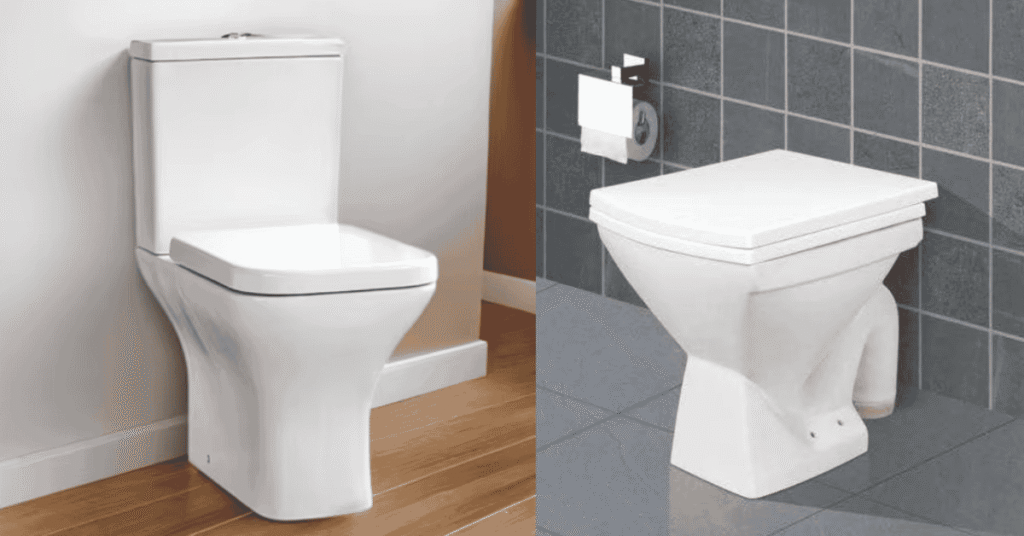
Modern British bathrooms and downstairs cloakrooms often face strict spatial limitations. To maximize floor space, many homeowners install compact, short-projection toilets featuring crisp geometric contours. However, finding the right replacement seat requires careful evaluation. Following practical square toilet seat buying tips small bathrooms demand ensures you achieve a secure fit without compromising on comfort.
Unlike traditional oval pans, square sanitaryware does not follow a universal sizing standard. In addition, tight clearances around vanity units and radiator valves complicate installation. This comprehensive guide covers exact measurement techniques, hinge mechanics, material durability, and small-space ergonomics to help you choose the ideal square seat.
The 4-Point Measurement Blueprint for Square Pans
Never rely on visual estimates when replacing a square toilet seat. Taking four precise measurements with a steel tape measure prevents costly return deliveries:
- Hinge Hole Distance (Pitch): Measure the exact distance between the centre of the two fixing holes on the ceramic pan. Standard UK pans measure between 130mm and 180mm.
- Maximum Pan Width: Measure across the widest point of the toilet bowl rim. Most square designs range from 340mm to 365mm.
- Total Projection (Length): Measure from the centre line of the fixing holes straight to the outer front edge of the pan. Compact toilets generally measure between 400mm and 440mm.
- Corner Profile Radius: Determine whether your ceramic pan has sharp 90-degree corners or softly curved squircle edges. The seat must match this profile to avoid uncomfortable overhang.
Understanding Top-Fix vs Bottom-Fix Hinge Mechanics
Before purchasing, you must determine how the seat connects to your ceramic pan. Choosing the wrong hinge style makes installation impossible.
Top-Fix (Blind Hole) Fittings
Most modern square toilets feature back-to-wall or fully shrouded wall-hung designs. These pans have closed ceramic sides that block access to the underside. Therefore, you must use top-fix hinges. These fittings utilize expanding rubber bungs or metal anchor bolts inserted from the top surface of the bowl.
Bottom-Fix (Traditional Wing Nut) Fittings
Open-backed close-coupled pans allow you to reach underneath the ceramic bowl. These models use threaded stainless steel rods secured with plastic or brass wing nuts from below. While affordable, bottom-fix models are increasingly rare on modern geometric toilets.
For additional sanitaryware upgrade advice, consult our companion mixer bath tap shower buying guide to coordinate your bathroom hardware.
Material Engineering: Duroplast vs Polypropylene vs Wood
The seat material directly influences longevity, hygienic maintenance, and tactile comfort. The table below compares the three primary materials used for square toilet seats:
| Material Type | Scratch Resistance | Chemical & UV Stability | Weight & Rigidity | Best Use Case |
|---|---|---|---|---|
| Duroplast (Urea-Formaldehyde) | Exceptional; highly rigid | Resistant to staining and discolouration | Heavy and ceramic-like feel | High-traffic family bathrooms and en-suites |
| Polypropylene (Thermoplastic) | Moderate; prone to micro-scratches | Can yellow under harsh cleaning agents | Lightweight and slightly flexible | Budget rentals and temporary refits |
| Moulded Wood / MDF | Low; surface coatings can chip | Absorbs moisture if seal breaks | Dense and warm to the touch | Traditional or heritage styling schemes |
For small, humid UK bathrooms, Duroplast is the superior choice. Its dense, non-porous thermoset resin resists bacteria accumulation and retains its bright white finish without warping.
Small Bathroom Clearance and Ergonomic Factors
Compact cloakrooms and narrow en-suites require careful spatial planning around the toilet area:
- The 600mm Front Clearance Rule: British bathroom design guidelines recommend at least 600mm of clear space in front of the pan. A slimline square seat prevents knee obstruction against opposing walls or vanity cabinets.
- Lid Incline Angle: If your toilet sits beneath a low shelf or concealed cistern cabinet, verify the lid opening angle. A heavy wooden lid may fall forward if it cannot lean past a 90-degree vertical position.
- Door Swing Clearance: In compact cloakrooms, inward-swinging doors often pass close to the toilet pan. Selecting a seat without protruding side edges eliminates collision risks.
Essential Practical Features for Confined Spaces
When selecting a square seat for a compact space, prioritize two specific engineering features:
1. Quick-Release Push-Button Hinges
Cleaning behind a toilet in a narrow alcove is notoriously difficult. Quick-release seats feature a central push-button mechanism. Pressing the button detaches the entire seat in seconds, allowing you to disinfect the ceramic surface and hinge posts thoroughly.
2. Soft-Close Hydraulic Dampers
Geometric seats have flat, heavy lids. High-quality soft-close hinges prevent loud slamming noises against the ceramic rim. Furthermore, hydraulic dampers protect delicate Duroplast edges from impact fractures over time.
Troubleshooting Common Square Seat Fitting Problems
Homeowners frequently encounter a few common issues during DIY replacement:
- Seat Wobble and Shifting: Loose seats occur when top-fix rubber bungs do not expand fully inside the ceramic holes. Tighten the central screws until the rubber collar compresses tightly against the inner ceramic wall.
- Front Lip Misalignment: Most quality square seats include 360-degree rotating hinge plates. Adjust these cam plates forward or backward before tightening to align the seat edge with the bowl contour.
- Hinge Post Corrosion: Cheap zinc-alloy brackets degrade quickly in damp en-suites. Always select grade-304 stainless steel hinge components to prevent unsightly rust stains.
Summary
Upgrading a small bathroom with a modern square toilet seat improves both daily comfort and visual appeal. By measuring hole centres, pan width, and projection accurately, you guarantee a perfect fit on the first attempt. Prioritize top-fixing Duroplast designs with quick-release mechanisms to maintain a hygienic, durable, and stylish cloakroom for years to come.
Frequently Asked Questions
Are all square toilet seats a standard size in the UK?
No. Square toilet seats vary widely in width, projection length, and corner curvature. Always measure your ceramic pan dimensions before purchasing a replacement.
How do I know if my toilet requires top-fix hinges?
If your toilet pan has fully enclosed ceramic sides with no access to the underside of the fixing holes, you must use top-fix expansion fittings.
Can I fit a round or D-shaped seat onto a square toilet pan?
No. Fitting an incompatible seat profile causes uneven pressure distribution, unstable hinges, and exposed ceramic edges that reduce comfort and hygiene.
What is the easiest way to clean around tight toilet hinges?
Choose a square seat equipped with a quick-release push-button. This allows you to remove the seat completely and wipe down the ceramic deck effortlessly.