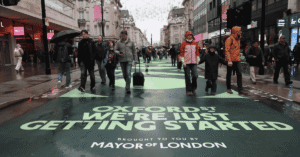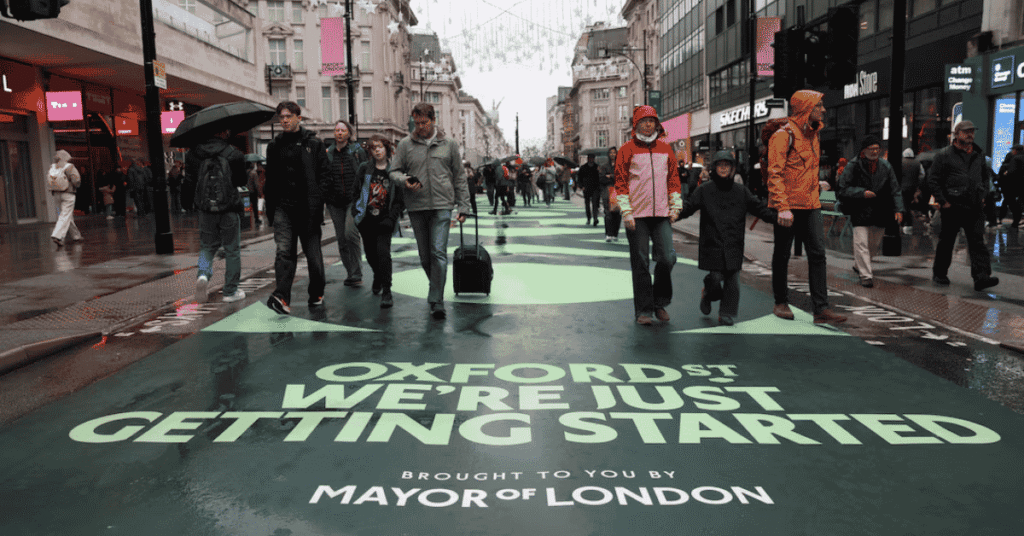
If you have walked down Oxford Street on a Saturday, you know how congested it gets. Pavements are packed, double-decker buses crawl along in bumper-to-bumper traffic and pedestrians frequently spill off the kerb into the road.
Now, London City Hall is moving forward with a plan to shut the road to motor vehicles permanently. The road handles roughly five hundred thousand daily visitors, making it one of the busiest retail thoroughfares in Europe. Yet for decades, shoppers have been crammed onto narrow walkways while diesel buses and taxis clog the centre lanes.
The decision to make Oxford Street pedestrianised is designed to solve several long-running headaches at once: heavy traffic pollution, frequent pedestrian collisions, empty department store units and the spread of low-quality sweet shops.
Backed by the government, City Hall wants to turn the traffic-clogged road into an open walking district with wider pavements, trees and outdoor seating.
The Exact Boundaries of the New Traffic-Free Zone
The proposed pedestrian zone does not cover the entire length of Oxford Street right away. Instead, planners are focusing on the busiest shopping stretch.
Under the published plans, the traffic ban runs along a 0.7-mile section from orchard street to great portland street. This area contains the heaviest concentration of retail stores, stretching between Selfridges near Marble Arch and Oxford Circus.
Key details of the pedestrian zone boundaries include:
- The western boundary starts at Orchard Street, right beside the selfridges marble arch shopping district.
- The route runs eastward past Bond Street station, crosses the oxford circus pedestrian zone and ends just past Great Portland Street.
- The eastern stretch towards St Giles Circus and Tottenham Court Road remains open to vehicles during phase one, though planners may extend the car free city centre walking boulevard east in future phases.
Once construction finishes, the asphalt roadway will disappear. In its place, the street surface will be repaved with level stone paving, public seating and green spaces, new trees, street lighting and drinking fountains.
The plan will create a modern European shopping boulevard pedestrian zone where shoppers can walk freely across the entire width of the street without waiting at pedestrian pelican crossings.
Why Did Sadiq Khan Overrule Westminster City Council?
A car-free Oxford Street has been debated in London for over thirty years. Mayor Sadiq Khan first attempted to pedestrianise the street in 2018, but that effort collapsed when Westminster City Council pulled out.
The westminster council opposition 2018 scheme happened because local residents pushed back hard against City Hall. Homeowners in neighbouring Mayfair and Marylebone voiced serious objections. Their marylebone and mayfair residents traffic concerns centred on traffic displacement: if buses, taxis and delivery vans were banned from Oxford Street, residents feared those thousands of vehicles would cut through quiet residential side streets instead. As the local highway authority, Westminster Council used its veto power to scrap the project.
The deadlock lasted until 2024, when a change in national government gave sadiq khan traffic free oxford street backing from Whitehall. With Angela Rayner Deputy Prime Minister confirming ministers would support the move, the Mayor secured the legal route needed to push the project through.
Instead of needing approval through westminster city council planning powers, the Mayor is setting up a new Mayoral Development Corporation (MDC). This is the same statutory planning model used to regenerate the Stratford Olympic Park.
Using parliamentary legislation mayoral planning order powers, planning and highways authority over Oxford Street will transfer directly to the mayoral development corporation mdc. While Westminster Council previously objected, City Hall has opened a fresh transport for london tfl public consultation to work out bus rerouting, loading rules and side-street traffic filters with local residents.
Which Vehicles Are Banned and Where Do 16 Bus Routes Go?
Turning a major London artery into a pedestrian zone requires significant adjustments to bus networks, taxi ranks and freight logistics. The one hundred and fifty million pound project affects every mode of transport running through the West End.
Vehicles banned from Oxford Street include:
- All 16 daytime and night bus routes running through the western and central sections
- Black cabs, private hire vehicles, minicabs and Uber cars
- Private passenger cars, vans and motorbikes
- Pedicabs and e scooters banned entirely from the paved walking surface
- Commuter bicycles, as cyclists dismount oxford street rules will apply during store opening hours to protect walkers
Emergency services will retain priority access. Clear lanes and automatic rising bollards will guarantee emergency services vehicle access around the clock for fire engines, police cars and ambulances.
Rerouting the 16 bus routes is the biggest operational hurdle. Under current transport models, london bus routes rerouted wigmore street proposals will move east-west buses to parallel roads running north of the shopping strip. Services will use Wigmore Street, Cavendish Square and Mortimer Street, while henrietta place and margaret street buses will carry additional passenger loads.
The decision has triggered controversy, particularly from taxi groups. The black cab licensed taxi drivers protest centres on passenger accessibility. Cabbies argue that stopping taxis from entering Oxford Street makes life much harder for elderly shoppers, wheelchair users and people with limited mobility who rely on door-to-door transport.
To address accessibility, Transport for London is building dedicated disabled access wheelchair taxi drop off ranks on side streets meeting Oxford Street, including Duke Street, New Bond Street and Regent Street.
Store deliveries are also shifting to off-peak hours. Delivery trucks will no longer be allowed to unload stock during shopping hours. Instead, an overnight delivery window midnight to seven will operate, keeping daytime pavements clear of tail-lift lorries and pallet trucks.
Cleaning Up Candy Shops and Bringing Back Major Flagships
Oxford Street suffered heavily between 2020 and 2023. Store closures hit hard after department store chains collapsed, leaving huge empty properties along the street.
That retail vacuum led to dozens of souvenir and sweet shops opening up. The situation triggered an aggressive american candy shops crackdown by Westminster Council trading standards officers, who investigated multiple stores for unpaid business rates, counterfeit goods and tax evasion.
Now, major retailers are moving back in, backed by the new west end company retailers business improvement district. Property owners and international brands are spending heavily on urban regeneration commercial high street investments, driving a visible west end shopping district transformation.
Key store openings and renovations include:
- The former topshop flagship store ikea development at Oxford Circus, opening a massive multi-floor homeware store on the corner of Regent Street.
- The hmv flagship return oxford street at 363 Oxford Street, where the music chain took back its historic shopfront.
- The debenhams department store redevelopment at 334 Oxford Street, turning the empty department store into retail floors, modern offices and rooftop dining.
- Coordinated pavement widening street walkway upgrades linking directly into existing regent street traffic restrictions.
- Direct pedestrian routes connecting into regent street and new bond street shopping corridors, letting visitors walk between designer stores and high-street flagships without crossing traffic lanes.
Landlords and business groups expect the pedestrian zone to anchor retail footfall economic recovery across central London. With diesel fumes removed, the street will make room for outdoor dining cafe culture west end terraces, coffee stands and public seating areas.
What London Learned from Camden High Street and Global Car-Free Streets
Pedestrianising major commercial streets is already a tested policy in London and across Europe.
In north London, the camden high street pedestrianised scheme between Camden Town tube station and Chalk Farm proved that removing cars increases foot traffic and helps independent traders. Camden’s weekend car-free trials proved popular with visitors and reduced pedestrian congestion around the market.
City Hall is also following international examples. The times square new york pedestrianisation in 2009 showed that replacing car lanes with pedestrian plazas reduced road injuries, boosted retail spending and created cleaner air. Similar car-free boulevard models in Copenhagen and Barcelona show that pedestrianisation makes shopping districts more competitive against out-of-town malls and online retail.
Removing buses and taxis from Oxford Street directly helps central london clean air targets, fitting into the wider london assembly mayoral transport strategy. By cutting bus queues, the scheme will deliver immediate air quality nitrogen dioxide reduction in street canyons where diesel exhaust fumes traditionally gathered. The plan connects closely with the ultra low emission zone ulez link, while providing substantial pedestrian safety road accidents reduction by ending vehicle-pedestrian conflicts at crowded junctions.
Practical Advice for Shoppers Visiting Oxford Street
If you are planning a shopping trip to the West End, understanding the transport layout helps you avoid crowds and save walking time.
The Elizabeth Line has transformed how visitors reach Oxford Street. Passengers from Heathrow, Paddington, Shenfield or Canary Wharf can reach the shops in minutes without changing trains.
Key stations along Oxford Street:
- Bond Street Station: Offers direct step-free access to the Jubilee line and Elizabeth Line. The Hanover Square and Davies Street exits have pushed bond street station footfall to record levels.
- Tottenham Court Road Station: Links the Central line, Northern line and elizabeth line tottenham court road platforms, serving shoppers heading to the eastern half of the street.
- Oxford Circus Station: Connects the Central, Bakerloo and Victoria lines. During major events such as the christmas lights switch on foot traffic surge, station staff often restrict entry for a few minutes to manage platform crowding.
- Marble Arch Station: Sits at the western end of the street on the Central line, right by Hyde Park.
If you are flying into London for a weekend shopping break, remember to check easyJet and Ryanair cabin bag rules before you pack so you do not get hit with surprise carry-on charges when bringing purchases home.
To get the most out of your tourist experience central london walking day, use the quieter side streets to navigate around busy spots. You can easily cut through Harewood Place into Hanover Square, or walk south from Oxford Circus to explore carnaby street and soho walking links.
Look out for seasonal traffic free shopping days christmas events. These weekend closures give shoppers a chance to experience the street completely free of motor vehicles beneath the Christmas light displays.
Frequently Asked Questions
When will Oxford Street close to traffic permanently?
Public consultations and planning approvals will take place through 2025 as the Mayoral Development Corporation is formed. Construction work and traffic diversions are scheduled to begin in 2026, with the car-free zone opening in phases.
Can you ride a bicycle down the pedestrianised street?
No. Cyclists will have to dismount when entering the main shopping zone during daytime hours to prevent accidents with pedestrians. Dedicated east-west cycle paths will run along parallel streets including Wigmore Street and Margaret Street.
Where will the 16 bus routes stop instead?
Buses will divert onto roads running north of Oxford Street. Most services will run along Wigmore Street, Mortimer Street and Margaret Street, with new bus shelters and passenger crossings added along those routes.
How will disabled shoppers in taxis reach stores?
Black cabs will not be allowed on Oxford Street itself. Instead, Transport for London is creating dedicated taxi drop-off ranks on adjacent cross streets such as Duke Street, Regent Street and New Bond Street, located within short walking distance of major store entrances.
What happens to shop deliveries?
Stores will receive stock during an overnight delivery window from midnight to 7:00 AM. Delivery vans and trucks will not be allowed to enter the street during regular retail hours.