If you live in the UK, stress often feels normal until it does not. You get used to the tight jaw on a crowded train, the never-ending emails, the grey skies that stretch on, the calendar that fills itself, and the sense that you are always slightly behind. Even on days off, your body can stay switched on. Shoulders up. Breath shallow. Mind racing.
Yoga for wellness is useful here because it meets you where you are. It does not require a new personality, a big budget, or a perfect routine. It gives you a practical way to unwind the physical side of stress and soften the mental noise. It is not about “being good at yoga”. It is about feeling more steady in your own skin, in your actual UK life.
Across the country, people are also drawn to modern wellness styles like alo yoga, but the real win is not the aesthetic. The win is finding a practice you can repeat on a random Tuesday when you feel fried.
What Stress And Burnout Look Like In UK Life
Burnout in the UK rarely announces itself with a dramatic moment. It tends to build through small, repeated pressures.
A long commute can keep your nervous system on edge before you even start work. If you are in London, Manchester, Birmingham, Leeds, or Glasgow, that daily squeeze can become your baseline. If you are elsewhere, stress can still come from deadlines, family responsibilities, money worries, or shift work that disrupts sleep. Add constant screen time and you get the perfect recipe for feeling wired but tired.
Common signs that stress is tipping into burnout include:
- Sleep that does not refresh you
- A short temper or numbness
- Tight hips, neck, or lower back
- Headaches and shallow breathing
- Brain fog and low motivation
Yoga for wellness helps because it targets the body and mind together. It improves breath, reduces muscular tension, and trains your system to shift out of high alert.
Yoga For Wellness: Keep It Practical, Keep It Repeatable
The most effective yoga routine is boring in the best way. Simple enough to do often. Flexible enough to fit around life. Supportive enough that you feel a difference.
Forget the idea that you need an hour. Ten to twenty minutes is enough to change your state, especially if you are consistent. In the UK, where many people juggle work, family, and unpredictable schedules, this matters. A smaller practice you actually do beats an ambitious plan you drop.
A realistic approach looks like this:
- Short sessions on weekdays
- One longer session on a weekend day
- A gentle option for days you are already stretched thin
You do not need to chase intensity to get benefits. For stress, calmer practices often work better than pushing hard.
Somatic Yoga: A Better Fit For Stress And Burnout
If your body feels constantly tense, or you feel disconnected and stuck in your head, somatic yoga can be a strong choice. Somatic yoga is slower and sensation-led. Instead of forcing shapes, you move with awareness and aim to release habitual bracing.
This matters because stress is not just “in your mind”. It lives in your nervous system. When you have been pushing for months, your body can forget how to downshift. Somatic yoga trains that downshift.
What somatic yoga feels like in real life
Expect small movements that look almost too easy. Gentle shoulder rolls, slow spinal waves, hip circles, careful pauses. The goal is to notice what your body is doing and give it permission to soften.
For people living UK life at full speed, somatic yoga often feels like the first time in weeks their breath drops lower in the ribs. That is not a small change. It affects sleep, mood, digestion, and how reactive you feel under pressure.
A simple somatic yoga reset you can do anytime
- Lie on your back with knees bent, feet on the floor, hands on your belly. Breathe slowly for a minute.
- Roll both knees side to side, small range, like windscreen wipers.
- Do a slow shoulder shrug up and down, then stop and notice the difference.
- Finish still for one minute, breathing quietly.
That is somatic yoga in a nutshell. Minimal effort, maximum nervous system benefit.
Your Setup: Yoga Mat, Space And Making It Easy
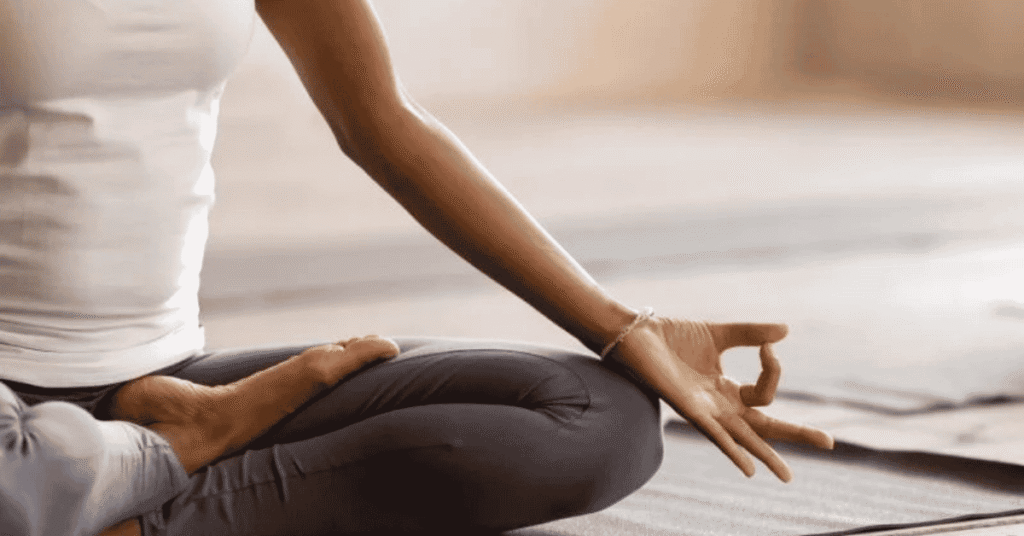
A yoga mat is not just a piece of kit. It is a friction reducer. If you have to improvise every time, you will practise less. If your yoga mat is comfortable and ready to go, you will practise more.
In typical UK homes, space can be tight. Flats, terraced houses, shared places, rooms that do double duty. You only need enough space to lie down and stretch your arms out. That is it.
Choosing a yoga mat that suits you
- If your knees or wrists get sore, go thicker.
- If you sweat or like stronger flows, go for better grip.
- If you practise on carpet, stability matters more than thickness.
Your yoga mat should feel inviting. If you dislike it, you will avoid it. That is practical, not dramatic.
Make your space feel like a switch
Keep your yoga mat somewhere visible. The visual cue matters, especially on stressful days. The point is to make the start easy, not to rely on motivation.
Alo Yoga And The “Modern Wellness” Angle In the UK
Alo yoga is part of the modern wellness wave that has changed how people in the UK discover yoga. For some, alo yoga is an entry point that makes yoga feel current and accessible. For others, it is simply a familiar label in a crowded wellness space.
Either way, the useful thing is not branding. The useful thing is the habit that follows. If alo yoga helps you commit to regular movement, steady breathing, and a calmer nervous system, it is serving its purpose.
The trap is turning yoga into another performance. Stress and burnout already come with pressure. Your yoga practice should remove pressure, not add it. Use the parts that help, ignore the parts that do not.
A Weekly Plan For Reducing Stress Without Overthinking It
You do not need a complicated schedule. You need rhythm.
Three-day baseline
- Day 1: 15 minutes gentle flow on the yoga mat
- Day 2: 10 minutes somatic yoga and breathing
- Day 3: 20 minutes slower stretches and longer holds
This is enough to change how your body feels within a couple of weeks, especially if your stress level is high.
Five-day option for tougher weeks
- Two short somatic yoga sessions
- Two moderate flows
- One longer, slower session on the weekend
The UK working week can be relentless. A plan like this gives you recovery points without demanding perfection.
What To Do On the Days You Feel Completely Done
On the worst days, you do not need a big practice. You need a downshift.
Here is a “burnout-friendly” routine that still counts:
- Sit or lie on your yoga mat
- Breathe in for a count of four, out for a count of six
- Do that for three minutes
- Add one gentle stretch you like, then stop
That is it. If you do that consistently, you teach your body that it can come down from stress without needing hours of downtime.
This is where somatic yoga shines again. Small inputs, real outputs.
Yoga For Wellness Beyond The Mat
A strong yoga habit changes more than flexibility. It changes your baseline.
You notice your shoulders creeping up and you drop them. You catch yourself holding your breath and you exhale properly. You stop scrolling for a minute and check in with your body instead. Those are small acts, but they compound fast.
In the UK, where stress can feel woven into the culture of busyness, yoga for wellness becomes a quiet counterweight. Alo yoga may get you interested. A yoga mat may make it easier to start. Somatic yoga may help you recover when you are depleted. Put together, you get something genuinely practical: a way to reduce stress and protect yourself from burnout without forcing a complete lifestyle overhaul.
FAQs
How often should I practise yoga for stress relief?
Three times a week is enough to feel benefits. Short daily sessions also work well.
Is somatic yoga good for burnout?
Yes. Somatic yoga is designed to reduce nervous system overload and release chronic tension.
Do I need special equipment besides a yoga mat?
No. A yoga mat and comfortable clothes are enough for most home practice.
Is alo yoga suitable if I am a beginner?
Yes, if you keep the focus on simple, repeatable sessions rather than intensity or appearance.
What is the fastest yoga technique to calm down?
Slow exhale breathing on your yoga mat for three to five minutes is one of the quickest resets.