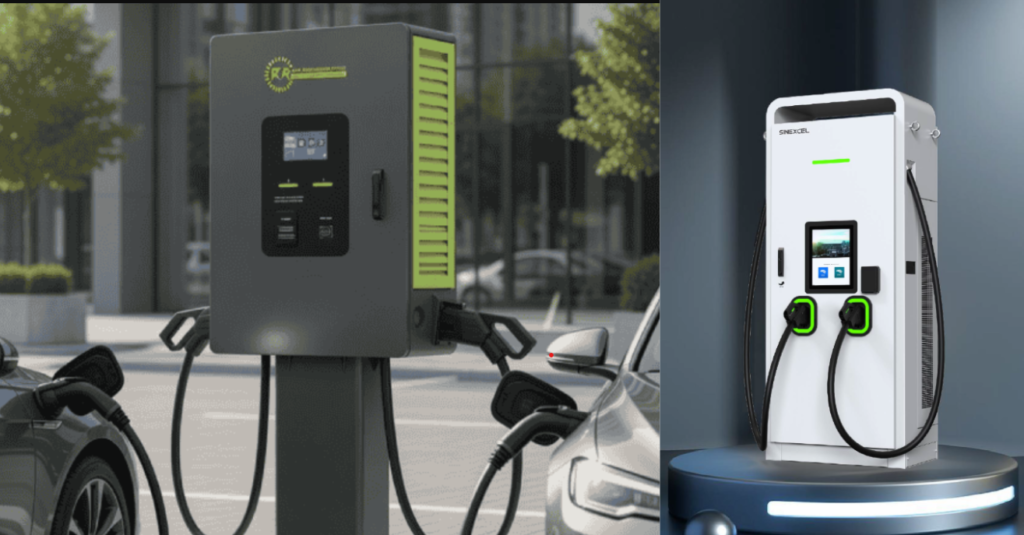
Okay, so you just got an electric car. Or maybe you’re still deciding. Either way you’ve probably run into a wall of terms that all blur together Level 1, Level 2, DC fast charging, J1772, NACS. It’s a lot, I know. Let’s actually go through what each ev charger type does, where you’d use it in real life, and which one fits you instead of just sounding impressive on a spec sheet somewhere.
What’s an EV Charger, Really
Strip away all the jargon and an ev charger is just a box. It moves electricity from an outlet, or from the grid, into your car’s battery. That’s it, genuinely. The differences between the types come down to speed, where they usually get installed, and which plug they use.
Here’s the thing nobody tells you until you own one: charging speed matters way more in daily life than it ever does on paper. A charger that adds 3 miles an hour is fine if the car just sits in the garage overnight. Same charger is useless if you’re mid road-trip and need to be back on the highway in twenty minutes. So the “right” one really comes down to how you drive, not which number looks biggest.
Level 1 The One You Already Have
Every EV sold in the US ships with a Level 1 cable. It plugs into a normal wall outlet. No electrician, no install, nothing you plug it in like a toaster and walk away.
The catch is speed, and it’s a real one. Somewhere around 3 to 5 miles of range per hour. If you drive under 30 miles a day and charge overnight, that’s honestly plenty for a lot of people. Commute farther than that, or run errands constantly? You’ll probably outgrow this in a few weeks. Maybe sooner.
Level 2 Where Most Homeowners Land
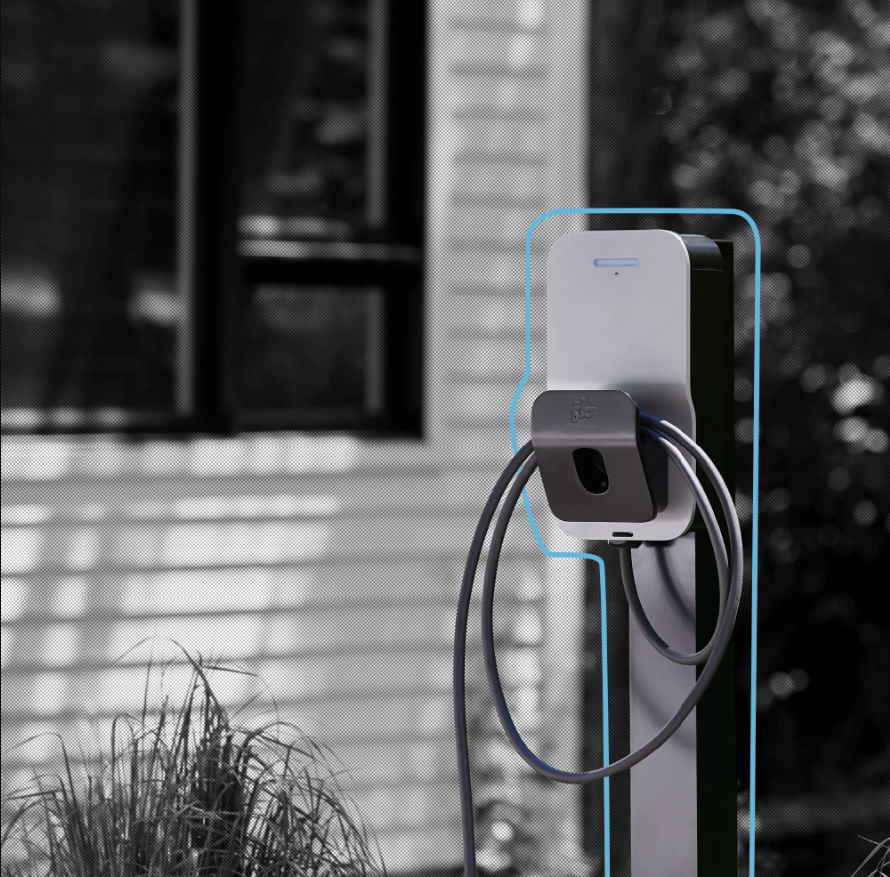
This is the sweet spot for home charging, and there’s a solid reason for that. A Level 2 ev charger runs on 240 volts, same as your dryer, and charges roughly six to eight times faster than Level 1. That’s about 20 to 40 miles of range per hour depending on the car and the unit.
Getting one installed usually means calling an electrician for a dedicated circuit, unless your garage already happens to have a 240V outlet sitting there (rare, but it happens sometimes). Costs vary a lot depending on your home’s wiring budget somewhere between $500 and $2,000 total, unit and install combined.
Hardwired vs Plug-In
Level 2 units come in two flavors. Hardwired straight into your panel, or plugged into a NEMA outlet. Hardwired tends to hold up better long term and sometimes qualifies for better utility rebates. Plug-in gives you more flexibility, especially if you’re renting or might move soon. Neither’s really “better” it depends on your situation, mostly.
DC Fast Charging For the Highway, Not Your Driveway
This one works completely differently. Instead of trickling power in slowly over hours, it pushes a huge amount of electricity straight into the battery, skipping the car’s onboard converter entirely. That’s why you see numbers like 15 to 40 minutes for 80 percent, depending on the car and the charger’s output.
You’re not putting one of these in your garage. Not even close. They need serious electrical infrastructure and cost tens of thousands of dollars, which is exactly why you only find them at highway rest stops, shopping centers, and dedicated charging plazas. Think gas station stop on a long drive. Quick, functional, not something you’d do daily.
NACS vs CCS The Plug Mess, Sort Of Explained
For a while, US drivers dealt with a genuinely annoying mix of connector types. CCS was standard for most non-Tesla cars, Tesla ran its own NACS plug. That’s shifting now, pretty fast actually. Most major automakers have moved to NACS, and newer models either ship with it built in or throw an adapter in the box.
Shopping for a new EV soon? Worth checking which standard it uses and whether nearby stations actually support it. CCS isn’t disappearing overnight, but the whole industry is clearly consolidating around NACS at this point, no question about it.
Match the Charger to How You Actually Live
Forget chasing whatever charges fastest. Think about your actual routine instead. Short commute, overnight home charging, no rush? Level 1 might genuinely cover you. Longer commute or a schedule that needs a dependable overnight top-up? Level 2’s worth the money. Frequent road trips, or no home setup at all? You’ll lean on public DC fast chargers more than you’d expect, so factor that into where you live or park your car.
A lot of new owners overbuy on speed just out of old gas-car habits, where faster always felt like better. With an EV, slower overnight charging is usually completely fine. It’s easier on your battery’s long-term health too, if that matters to you.
FAQs
Can I install a Level 2 charger myself?
Better not to. These run on 240V circuits, so get a licensed electrician for the wiring keeps things safe and up to code.
How much does home installation usually run?
Most folks land somewhere between $500 and $2,000, depending on your home’s wiring and how far the charger sits from your panel.