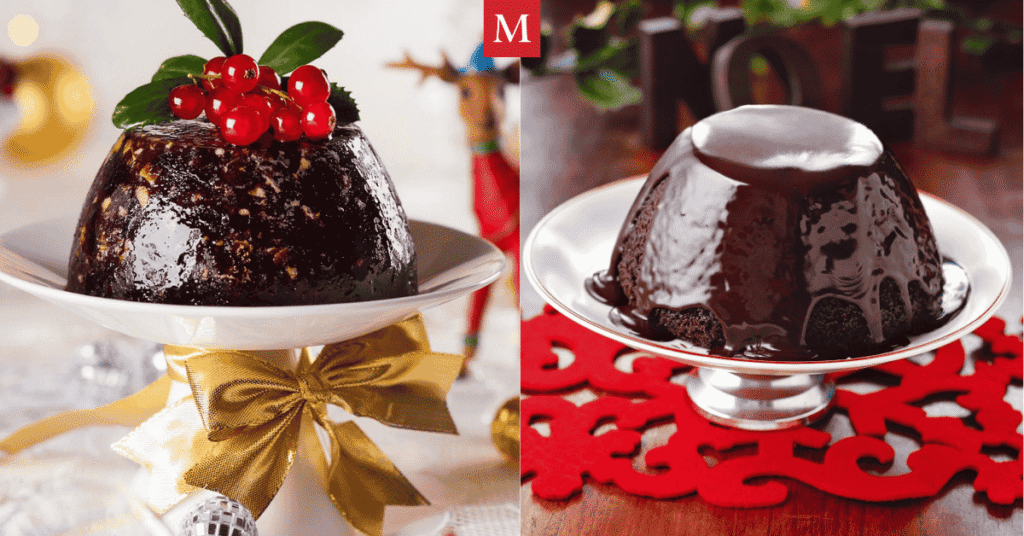
Christmas Pudding
It creeps up every year, doesn’t it? One minute it’s Halloween, and the next thing you know, you’re being asked whether you’ve made your Christmas pudding yet. For some, the answer is a smug “of course,” spoken with the calm confidence of someone who’s been soaking their fruit since September. For the rest of us, it’s more like, “Wait, I was supposed to do that already?”
Don’t worry you’re not alone.
If you’ve ever felt unsure about when to make Christmas pudding, you’re in the right place. Let’s cut through the noise, the nostalgia, and the endless advice, and figure out what actually matters.
So, What’s the Big Deal With Timing?
In a world of last minute online shopping and same-day delivery, the idea of making something weeks even months advance might sound a bit much. But trust me, there’s a reason behind the madness.
Christmas pudding isn’t your average dessert. It’s dense, dark, and rich with dried fruits, spices, and enough booze to keep it preserved through a snowstorm. It’s not just about sweetness it’s about depth. And that depth? It comes with time.
The longer a pudding rests, the more the flavours mellow and mingle. That sharp edge from the alcohol softens. The spices cinnamon, nutmeg, clove settle in like old friends. It’s not a cake you bake and eat the same day. It’s a dish that asks for patience and rewards you with complexity.
What Is Stir Up Sunday, And Why Does Everyone Keep Talking About It?
Ah yes, Stir Up Sunday. The phrase sounds like something from a Harry Potter book, but it’s actually rooted in British tradition.
It’s the last Sunday before Advent usually falling near the end of November. In 2025, for example, it lands on November 23rd. The name comes from a line in an old Anglican prayer book that says, “Stir up, we beseech thee, O Lord…” and somehow that turned into a reminder for families to gather and make their Christmas puddings.
There’s something charming about it. Kids get to stir the bowl and make a wish (always stir from east to west wise men’s rules). Sometimes coins or charms are hidden in the mix. It’s one of those rare moments in the holiday season that feels slow and intentional no rushing, no plastic packaging just people in a kitchen, doing something together.
Is Stir Up Sunday The Only Time You Can Make It?
Not at all. While Stir-Up Sunday is the traditional date, it’s by no means mandatory. Think of it more like a helpful reminder. If you make your pudding anytime between late October and the first week of December, you’re in good shape.
The key is giving it at least 4 to 6 weeks to mature. That gives the alcohol enough time to do its job preserve, soften, and enhance. But if you’re someone who plans ahead, you can make it even earlier. Some swear their best puddings were made in September and aged like fine wine.
Just make sure you store it properly. We’ll get into that shortly.
But What If I Forgot The Last Minute Option
Been too busy? Missed the window? Relax. You’re not doomed to a pudding-less Christmas.
There are plenty of quick-mature or same-day recipes out there that still give you that festive feel. You’ll trade a bit of complexity for convenience, but with the right ingredients molasses, espresso, dark brown sugar you can fake a long-aged flavour profile fairly well.
Modern kitchens have tools your grandmother didn’t: microwaves, pressure cookers, even sous-vide machines. There’s no shame in using them. Tradition is great, but stress isn’t festive.
Tips For Making a Great Christmas Pudding
You don’t need to be a professional baker. You just need patience, a bit of planning, and a willingness to get your hands sticky. Here’s what helps:
1. Soak the Fruit Overnight (Longer, If You Can)
Raisins, sultanas, chopped dates all that dried fruit benefits from a nice, long soak in brandy, rum, or stout. Let it sit overnight. If you’re really ahead of the game, a few days is even better.
2. Don’t Fear the Suet
Yes, it’s fat. Yes, it sounds old-fashioned. But suet (or a vegetarian version) is what gives pudding its texture moist, rich, never dry.
3. Steam It Long and Low
Steaming a pudding isn’t hard it’s just slow. Give it 6 to 8 hours on the day you make it, and don’t rush. Pop a coin under your saucepan lid to hear the steam working (a trick from my nan, apparently).
4. Store It Properly
Once it cools, wrap it in parchment paper, then foil. Store it somewhere dark and cool no need for a fridge unless your kitchen turns tropical. And don’t forget to check on it every couple of weeks.
5. Reheat Gently on the Day
Steam again for 1–2 hours on Christmas Day. Warm a bit of brandy, pour it over, and set it alight (carefully). The blue flame is part of the theatre and trust me, it never gets old.
Don’t Like Traditional Christmas Pudding? You’re Not Alone
Let’s be honest Christmas pudding is divisive. Some love it. Others politely move it around their plate.
If that’s you, try a twist:
- Chocolate pudding with orange zest
- Sticky toffee pudding with dates and rum
- Gingerbread-spiced pudding with dark molasses
- Mini puddings that freeze well and reheat fast
Pudding doesn’t have to be stodgy. It just has to feel like Christmas.
Final Thoughts: When’s The Best Time To Make Your Christmas Pudding?
Ideally? Late November, especially on or around Stir-Up Sunday. That gives you enough time for the magic to happen flavours blending, textures developing, tradition taking root.
But if life gets in the way (and let’s face it, it usually does), it’s never too late to make something meaningful. Whether it’s weeks ahead or two days before, what matters most is the care you put in—and the people you share it with.
And hey, if all else fails, there’s always next year.