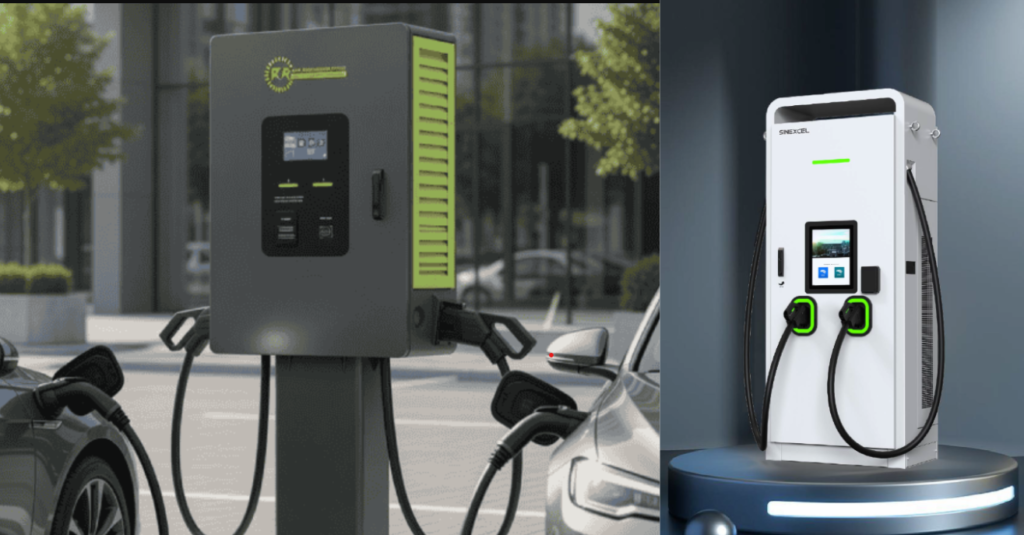
Buy an electric car in the UK and the dealership will hand you a heavy canvas bag containing an emergency charging cable. Plug that three-pin lead into a standard garage socket on a freezing January night and your car draws roughly 2.3 kilowatts. Thirty hours later, the battery might finally crawl to full. If you commute sixty miles a day, you will spend your evenings watching range creep upward at seven miles an hour while worrying about socket faceplates getting hot to the touch.
That frustration drives almost every new owner straight to Google to find a proper ev charger for their driveway. Yet the moment you start researching wallboxes, you walk into a wall of jargon and conflicting quotes. Installers quote wildly different prices for seemingly identical hardware. Energy companies push specific branded units. Web forums argue endlessly about earthing rods, looped supplies and DNO paperwork.
Getting a home ev charger uk setup right is not about buying the flashiest box with pulsing LED lights. It comes down to four practical decisions: matching charging speed to your domestic electricity supply, choosing between a fixed lead or a bare socket, dodging hidden installation costs and pairing the unit with a smart tariff that makes running an EV almost ridiculously cheap compared to buying diesel.
Why the 3-Pin Granny Cable Is a False Economy
That emergency charging lead British drivers call a granny charger has kept many stranded motorists out of trouble, but using it as your permanent charging strategy rarely makes sense.
Household 13-amp domestic sockets in British homes were never engineered to deliver continuous high current for fifteen consecutive hours. Drawing ten amps through standard ring mains generates noticeable thermal build-up inside plug pins and wall sockets. Over months of nightly use, older wiring circuits can scorch or trip household breakers.
Beyond safety, the economics of slow trickle charging work against you. Standard household sockets cannot talk to the National Grid or smart energy meters. That locks you out of specialized electric vehicle tariffs, forcing you to pay standard daytime electricity rates between 24p and 26p per kilowatt-hour. What looks like saving £800 on installation costs quietly bleeds hundreds of pounds out of your bank account every year in wasted energy costs.
The 7kW Sweet Spot and Why 22kW Is Mostly a Myth for British Homes
Domestic electric vehicle charging in Britain revolves almost entirely around 7.4 kilowatt hardware for a very clear engineering reason.
British residential streets run on single-phase alternating current at 230 volts. Most modern houses have a main service fuse rated at 60, 80 or 100 amps. A standard 7kw ev charger pulls 32 amps from that incoming feed, delivering roughly thirty miles of driving range for every hour it runs.
Plug in at 11:00 PM and by 6:30 AM your car has swallowed roughly 50 kilowatt-hours of electricity. That provides well over two hundred miles of fresh driving range while you sleep. For everyday British driving habits, 7kW is plenty of power.
You will see fast 22kW home chargers advertised by equipment retailers, often tempting buyers who want ultra-fast turnarounds. What those sales pages fail to mention upfront is that 22kW charging demands a 400-volt three-phase electrical supply.
Very few residential properties in the UK possess three-phase power unless they are rural farms, former commercial workshops or newly built custom homes. Upgrading an ordinary semi-detached suburban house to three-phase requires your regional electricity network to dig up pavements and lay heavy cabling to the nearest street substation. With upgrade quotes from network operators frequently landing between £2,500 and £6,000, chasing 22kW at home makes little sense when a 7kW wallbox already fills your battery overnight.
The Cable Dilemma: Living With a Tethered Lead or Keeping the Wall Tidy
Walk down any residential street with driveways and you will spot two distinct styles of home charging equipment: boxes with thick black cables wrapped around them and sleek minimalist boxes with nothing more than a front socket.
Resolving the tethered vs untethered ev charger choice comes down to personal tolerance for daily friction versus kerbside aesthetics. Virtually all modern electric cars in Britain charge using a standard type 2 ev charger inlet, but living with either style feels very different over a wet winter.
A tethered charger has a five-metre or eight-metre charging cable permanently wired into the internal circuitry of the box. The daily routine is dead simple: pull up, grab the nozzle, click it into the car port and walk into the house. You never have to rummage through a wet boot, untangle dirty cables or drag wet rubber across your clothes before rushing to work. The trade-off is visual clutter on the front of your house and the risk that if your next car has its charge port on the opposite wing, an existing five-metre cable might struggle to stretch.
An untethered charger presents an empty Type 2 socket on the wall. It looks far neater on period brickwork and allows you to plug in whatever length cable your car requires. If you change vehicle or a visiting friend arrives with an unusual plug setup, swapping the loose cable handles the problem. The catch is daily convenience. Every time you want to charge in pouring rain, you must fetch your cable from the car boot, plug both ends in and coil up a muddy, soaking wet lead when you leave the next morning.
What Electricians Don’t Tell You About Main Fuses and Looped Supplies
Hiring an installer involves more than picking a date on a calendar. Installing an electric vehicle chargepoint is legally notifiable under Part P of UK Building Regulations, meaning you must hire a contractor who is part p certified and holds dedicated electric vehicle installation accreditations like City and Guilds 2919.
Before an electrician even touches your wall, they have to inspect your electricity intake cupboard. That inspection often turns up two common British housing quirks that can stall an installation:
Main Service Fuse Capacity
Many older British homes still run on outdated 60-amp main cut-out fuses fitted decades ago. When you add a 32-amp car charger on top of an electric shower (40 amps), an electric cooker (30 amps) and a kettle, a 60-amp fuse risks blowing during evening peak demand.
A qualified installer will calculate your total household electrical load. If your main fuse is undersized, they must request a free fuse upgrade to 80 or 100 amps from your local network operator before proceeding.
The Looped Supply Trap
If you live in a post-war semi-detached house or terraced row, your incoming electrical service line might be looped with your immediate neighbour. In a looped configuration, one service cable leaves the street and enters your neighbour cellar or meter box before jumping across to feed your home.
Carrying high continuous loads through a looped cable creates fire and voltage drop hazards. Electricians cannot connect a 32-amp charger to a looped supply without official network clearance. The Distribution Network Operator must come out to unloop the supply, which involves digging outside to run a fresh independent feed to your meter box. While the network operator covers the cost of unlooping work, the process can delay your charger installation by several weeks.
Earth Rods vs Built-in Open-PEN Protection: Avoiding the Garden Trench
In the early days of domestic EV installations across Britain, electricians had to dig up lawns or drill through driveways to drive a five-foot copper earth rod into the soil.
This earthing rod was required by British safety standards to protect against a dangerous condition known as an open-PEN fault. In the UK, most domestic electricity supplies use a protective multiple earthing (PME) system where neutral and earth wires are combined in the street main. If that shared neutral wire breaks underground, the metal body of your charging car can become live at 230 volts. Anyone touching the car while standing on damp ground outside could receive a severe electric shock.
Fortunately, modern charger engineering has largely eliminated the need to destroy your garden. Top-tier modern wallboxes feature integrated pen fault detection circuitry.
These smart sensors continuously monitor incoming supply voltage and current balance. The instant the box senses that the neutral supply has been lost or drifted outside safe tolerances, it isolates live, neutral and earth conductors within fractions of a second. When comparing quotes, always confirm your chosen unit includes built-in open-PEN protection so you avoid the extra cost and mess of installing an external copper rod.
Cutting Running Costs to 2p Per Mile With Smart EV Tariffs
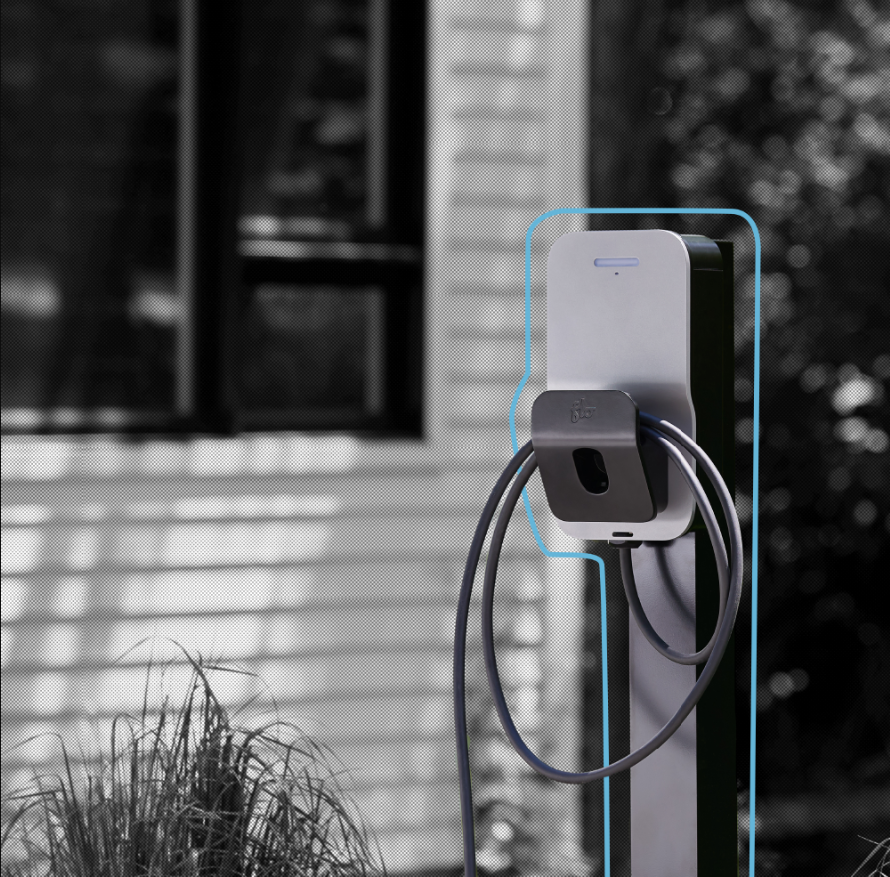
Buying a smart ev charger is really about unlocking access to cheap off-peak electricity. Running an electric car on standard UK daytime rates of 25p per kilowatt-hour saves modest money over a 45mpg petrol car, but pairing your charger with a smart time-of-use tariff completely transforms your motoring budget.
Specialist energy suppliers offer cheap overnight charging windows that drop power prices by up to 75%:
- Octopus intelligent go: Delivers electricity at roughly 7p per kilowatt-hour between 11:30 PM and 5:30 AM.
- British Gas Electric Driver: Offers dedicated off-peak rates designed to match home charging windows.
- OVO Charge Anytime: Uses dynamic communication to deliver cheap power at around 7p per kWh whenever the national grid has green surplus capacity.
Running an electric car with an average efficiency of 3.5 miles per kilowatt-hour on a 7p tariff brings your fuel cost down to just 2p per mile. A full 250-mile charge costs around £5.00. Driving 10,000 miles a year on that setup costs roughly £200 in electricity, compared to £1,600 in petrol or diesel.
Having that kind of cheap, predictable range ready every morning makes long weekend trips across Britain remarkably affordable. If you enjoy planning rural country breaks, like the driving itineraries and historic pub stops featured in our Cotswolds travel guide, setting off from your driveway with a fully charged pack means you never have to waste twenty minutes queueing at expensive motorway rapid hubs.
If your home already has solar panels, solar ev charging uk systems like the myenergi zappi take savings even further. By monitoring rooftop generation with sensor clamps, these chargers divert pure solar power directly into your car battery instead of sending it back to the grid for pennies, giving you completely free miles from spring through autumn.
Four Real-World Home Chargers Worth Installing in 2026
Equipment marketing can make every wallbox look identical, but small differences in software reliability, warranty coverage and cable handling separate the winners from the headaches:
Ohme Home Pro
The ohme home pro is currently the most popular choice for British drivers switching to dynamic electricity tariffs. Its standout strength is direct API integration with Octopus Energy, allowing the charger to manage charging sessions automatically based on real-time grid prices. It features a clear physical display screen on the front faceplate and comes with an attached five-metre or eight-metre cable. Built-in open-PEN safety protection means no external earth rod is required.
myenergi zappi
Designed and manufactured in Lincolnshire, the British-built myenergi zappi remains the gold standard for homeowners with solar panels or home battery storage. It offers dedicated Eco modes that ensure your car charges exclusively on surplus daylight. The zappi is available in both tethered and untethered versions, boasts exceptional weather sealing for harsh British winters and handles load balancing flawlessly.
Indra Smart LUX
The Indra Smart LUX is widely praised by installers for its slim profile. Protruding just thirteen centimetres from the wall, it is an ideal choice for narrow driveways where opening car doors without scraping the charger is a genuine concern. It includes an illuminated status ring, durable construction and one of the longest standard manufacturer warranties in the sector.
Tesla Wall Connector
Do not let the badge fool you: the third-generation Tesla Wall Connector works reliably with any modern Type 2 electric vehicle in the UK, not just Teslas. It offers sleek styling with a tempered white glass faceplate, a generous 7.3-metre lightweight lead and solid build quality, though it lacks direct dynamic solar diversion features.
Terraced Houses and Street Parking: How to Charge Without a Driveway
Roughly forty percent of British households do not have access to off-street parking. If you live in a Victorian terrace or an urban flat, running a home charging setup requires extra legal and practical care.
The Footpath Law
Under the Highways Act 1980, trailing a loose charging cable across a public pavement is illegal. Local authorities view loose cables as serious trip hazards for pedestrians, pushchairs and visually impaired residents. If someone trips over your lead, you face direct civil liability and council fines, even if you cover the cable with rubber safety ramps.
Flush Pavement Gullies
To solve this issue, progressive councils across England and Wales are approving pavement channel schemes like Kerbo Charge and Gul-e. Installers cut a narrow, shallow trench across the pavement from your front boundary to the roadside kerb, inserting a lockable metal channel flush with the paving slabs.
When you park outside, you feed your lead through the channel, close the rubber self-sealing flap and plug in safely. If you live in a terraced property, contact your local council highways team to ask if pavement gully permits are active in your borough.
Community Hubs and Lamp-Post Alternatives
If a home installation is physically impossible, public ev charging networks uk provide alternatives. Many residential London boroughs and urban councils have converted roadside streetlamps into low-cost slow chargers via networks like ubitricity.
For longer journeys, commercial hubs offering ccs2 rapid charging uk connectors deliver high-power DC boosts from 50kW to 350kW, letting you grab eighty miles of charge in fifteen minutes while grabbing a coffee.
Frequently Asked Questions
What is the true cost of an EV charger installation in the UK?
A standard home ev charger installation cost uk property owners pay averages between £800 and £1,200. That figure includes a quality 7kW smart wallbox, standard surface cabling up to ten metres, testing, Part P certification and mandatory dno notifications to your local network operator. Complex jobs requiring ground trenching, fuse board upgrades or detached garage runs can add £300 to £600 to the total bill.
Does the government still offer grants for home chargers?
The nationwide grant for homeowners with driveways ended in 2022. However, the government ev chargepoint grant still provides up to £350 towards installation for flat owners and tenants with dedicated off-street parking. Landlords can also access grant funding across multiple rental properties.
Can an EV charger damage my home electrical system?
Not when installed correctly by a certified electrician. Modern smart chargers include dynamic load management that monitors the total electrical draw of your household. If you switch on an electric shower and an oven while your car is charging, the wallbox automatically dials down its charging current to protect your main service fuse.
Should I choose a tethered or untethered wallbox?
A tethered unit is the best choice if you value daily convenience and want to avoid packing away a wet, muddy cable every morning. Choose an untethered socket if you want a clean minimalist look on your brickwork or want the flexibility to use different cable lengths and plug types.
How do I notify my electricity network about my new charger?
You do not need to do this yourself. Your Part P certified installer is legally responsible for submitting DNO paperwork to your regional electricity network distributor on completion of the installation.