tongue piercing
Getting a tongue piercing or nipple piercing is exciting, but the real work starts once you walk out of the studio. A fresh piercing is basically a tiny wound that your body is trying to repair. If you look after it properly, it settles in fairly smoothly. If you don’t, you’re more likely to end up with swelling, soreness and possibly an infection.
It covers what to expect, how to clean each piercing, and simple daily habits that help you heal as quickly and comfortably as possible. It’s general guidance, not medical advice, so always follow your piercer’s instructions and speak to a healthcare professional if something doesn’t feel right.
How Long Do Tongue & Nipple Piercings Take to Heal?
Everyone heals at their own pace, but here’s a rough idea of timing so your expectations are realistic.
Tongue piercing healing
A tongue piercing usually:
- Swells noticeably for the first few days
- Starts to feel more manageable after one to two weeks
- Takes a few months to settle inside the tongue fully
The inside tissue needs longer.
Nipple piercing healing
A nipple piercing is a slow burner:
- Can feel sore and sensitive on and off for months
- Often needs six months to a year to heal fully
- Reacts a lot to friction, bras, bedsheets and exercise
Accepting that it’s a long process from day one makes it easier to be patient with nipple piercing aftercare.
Golden Aftercare Rules for Both Piercings
These tips apply to both tongue and nipple piercings, whatever your personal style:
- Don’t touch unless you’re cleaning. Hands carry bacteria.
- Leave the jewellery alone. Don’t twist, spin or “check” it all the time.
- Use the right product. Stick to saline or the solution your piercer recommends.
- Look after yourself. Sleep, water, decent food and less smoking or drinking all help your body heal.
Now let’s look at each piercing separately.
Tongue Piercing Aftercare: Heal Faster With Less Drama
A tongue piercing heals in a warm, busy place your mouth. That means lots of movement and plenty of bacteria, so good aftercare really matters.
The first few days
Straight after your tongue piercing, you can expect:
- Swelling (your tongue may feel big and clumsy)
- A bruised or throbbing feeling
- A bit of bleeding or clear fluid
To make life easier in this early stage:
- Stick to soft, cool foods – smoothies, yoghurt, mashed potato, soup that’s warm, not boiling.
- Sip cold water throughout the day to calm the swelling.
- Rinse gently with the mouthwash or saline solution your piercer has suggested, usually after food and before bed.
Try to avoid:
- Alcohol, smoking and vaping they all irritate a new tongue piercing.
- Spicy, very salty or acidic foods that sting and inflame the area.
- Kissing, oral sex, and sharing cups and cutlery with other people.
Week 1 to 3: Learning to live with the bar
Once the worst swelling passes, you’ll start to get used to the way the barbell feels.
Good habits here:
- Brush your teeth carefully and avoid smacking the jewellery with your toothbrush.
- Keep rinsing your mouth as advised, especially after meals.
- Eat slowly so you don’t bite the bar and chip a tooth or damage the piercing.
If the bar starts to feel too long after the swelling goes down, your piercer may suggest changing it to a shorter one. Let them do it the first jewellery change on a tongue piercing is not a DIY job.
Long-term tongue piercing care
Even when a tongue piercing looks settled:
- Avoid chewing on the barbell; it can damage teeth and gums.
- Keep on top of oral hygiene a healthy mouth helps the piercing stay happy.
- Pay attention to any new swelling, pain or odd discharge; that’s a sign to get advice, not something to ignore.
Nipple Piercing Aftercare: Keep It Clean, Dry and Supported
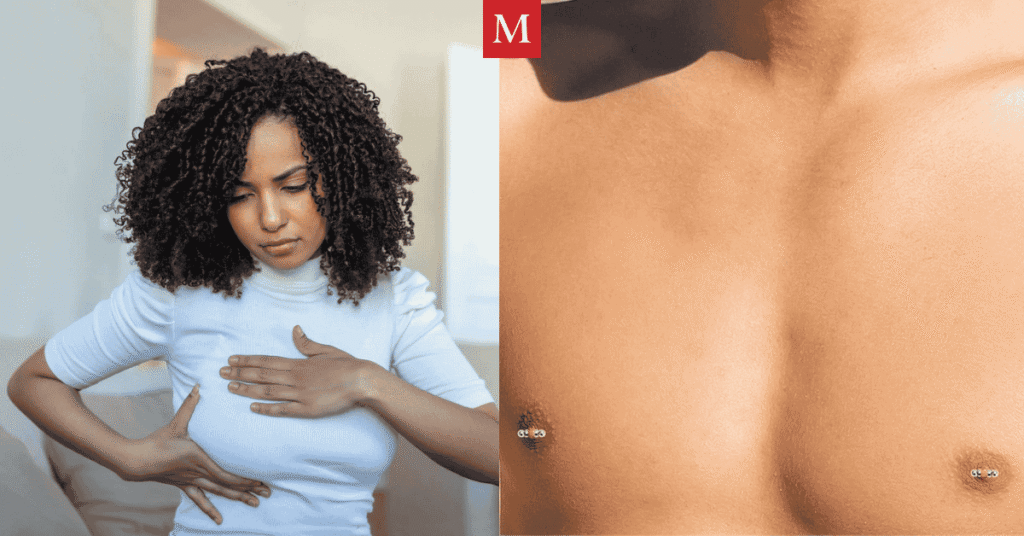
A nipple piercing sits under clothing all day, so friction and sweat are the main issues. Good aftercare is about gentle cleaning and smart clothing choices.
Cleaning a nipple piercing
Your piercer will usually recommend saline or a specific aftercare product. A common routine looks like this:
- Wash your hands thoroughly.
- Apply saline or your aftercare solution using clean cotton pads or a spray.
- Gently soften and wipe away any light crusting around the jewellery.
- Pat the area dry with a clean piece of paper towel or similar.
Avoid harsh chemicals or strong antiseptics directly on the piercing unless your piercer or doctor tells you to use them. They can dry out the skin and slow down nipple piercing healing.
Clothing, bras and friction
Nipples move every time you move, so the wrong bra can make a new piercing miserable.
To keep things calm:
- Choose soft, breathable bras or bralettes that support without digging in.
- Cottons and smooth fabrics are usually kinder than lace and seams.
- Many people avoid underwires at first, especially if they sit right over the jewellery.
- Change out of sweaty gym tops and sports bras soon after exercising.
Every day life with a new nipple piercing
A few extra tips that make a big difference:
- Take care when dressing and undressing so you don’t catch the jewellery.
- Try not to sleep flat on your front for long stretches.
- Be cautious with contact sports or anything that could knock your chest.
Lifestyle Habits That Help Both Piercings Heal
With both tongue piercing and nipple piercing, the basics of general health really show:
- Hydrate: Your body heals better when you’re not running on caffeine and nothing else.
- Eat properly: Enough protein and nutrients help tissue repair.
- Sleep: Healing happens when you rest, not when you’re scrolling at 2 am.
- Cut down on smoking and heavy drinking as much as you realistically can, especially early on.
Think of it this way: if your body’s busy dealing with hangovers and exhaustion, it has less energy spare to heal your piercings quickly.
When to Get Help: Red Flags to Watch For
Some discomfort is normal: a bit of redness, mild swelling, and clear or pale fluid can all be part of normal healing.
However, you should speak to your piercer and contact a healthcare professional if you notice:
- Pain that keeps getting worse instead of settling
- Very hot, angry redness spreading away from the piercing
- Thick green, yellow or brown discharge that smells bad
- A hard, growing lump or anything that changes quickly
- Fever, chills or feeling generally unwell
With a tongue piercing, get urgent help if you struggle to breathe, swallow or speak because of swelling, or if bleeding is heavy and doesn’t slow down.
In the UK, that might mean calling your GP, using NHS 111, visiting a walk-in centre, or, in serious cases, going straight to urgent care or A&E.
FAQs: Tongue & Nipple Piercing Aftercare
Q1: How long does a tongue piercing stay sore?
Usually, the worst soreness eases within one to two weeks, though the tongue piercing can feel odd for longer.
Q2: When can I change my tongue bar?
Most people have it changed to a shorter bar after the swelling has gone down, and a professional piercer should do this.
Q3: Is crusting around a nipple piercing normal?
Light, dry crusting is common while a nipple piercing heals and can be gently cleaned away during aftercare.
Q4: How long does a nipple piercing really take to heal?
It’s normal for a nipple piercing to take several months, and often up to a year, to fully settle.
Q5: What should I do if I think my piercing is infected?
Leave the jewellery in, stop experimenting with products, and contact both your piercer and a healthcare professional for advice as soon as you can.
Used consistently, these aftercare steps give your tongue piercing and nipple piercing the best chance of healing quickly, cleanly and with as little drama as possible.