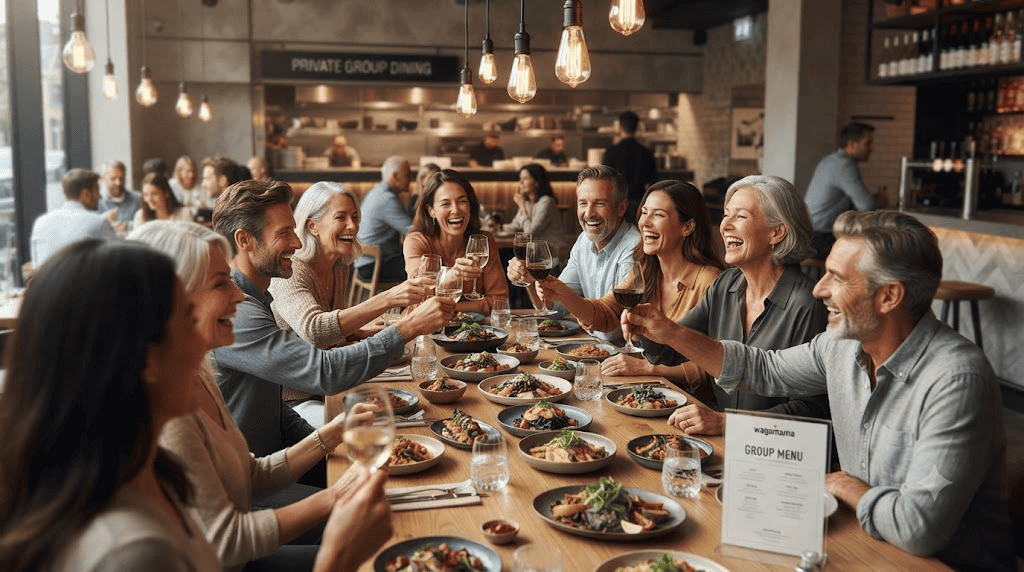
In the competitive landscape of the modern hospitality industry, the ability to cater to large groups is more than just a logistical task it is a significant revenue driver and a powerful marketing tool. When a group of ten, twenty, or even fifty people visits a restaurant, the establishment is not just serving food; it is hosting a collective experience. Whether for corporate gatherings, birthday celebrations, family reunions, or festive holiday parties, the group dining segment represents a consistent stream of income that can stabilize cash flow during slower mid-week periods.
However, the difference between a stressed, chaotic shift and a seamless, high-profit evening often lies in the quality of the group booking experience. Many restaurants struggle to bridge the gap between their standard service model and the complexities of large-party dining. Improving this experience requires a holistic approach that begins long before the guests walk through the door and continues well after the final check is paid.
The Foundation: A Digital-First Booking Journey
The customer journey starts at the first point of contact usually the restaurant’s website. In an age where speed and convenience are paramount, the traditional method of requiring a phone call or an email inquiry to book a large table is becoming increasingly outdated. Customers want to see availability, understand the pricing structure, and secure their reservation in real-time.
Restaurants that rely on manual booking processes often lose potential clients who simply don’t have the time to engage in a back-and-forth email chain. By implementing a sophisticated, intuitive online reservation system, restaurants can eliminate friction. This is where digital optimization becomes critical.
For example, by simplifying the online reservation portal, operators can provide a clearer, more efficient path for customers interested in restaurant group bookings. This digital-first approach ensures that the client feels in control of their planning process. At the same time, the restaurant receives structured, accurate data regarding the headcount, dietary requirements, and specific event details without the need for manual data entry.
Transparency and Proactive Communication
The greatest anxiety for a group organizer is the fear of the unknown. They are responsible for the satisfaction of their peers, colleagues, or family members. If the booking process is opaque, that anxiety increases. Restaurants can drastically improve the experience by being radically transparent.
Transparency should cover three core areas: menus, costs, and policies.
Firstly, provide clear, downloadable group menu options. Large groups rarely succeed when ordering à la carte; it slows down the kitchen, increases the likelihood of errors, and makes splitting the bill a nightmare. Curated prix-fixe or set menus are the gold standard for group dining. They allow the kitchen team to prepare for the specific number of guests, ensuring quality consistency across the board.
Secondly, be upfront about costs. Group organizers need to know exactly what they are paying for—including service charges, gratuity, and potential minimum spend requirements. Hidden fees are a surefire way to damage trust. If a restaurant clearly lays out its financial expectations, the organizer can plan their budget accordingly, leading to a much smoother transaction at the end of the meal.
Lastly, establish a clear, fair cancellation policy. Large tables represent a significant risk to a restaurant if they are a “no-show.” By articulating a professional deposit and cancellation policy early in the booking process, the restaurant protects its interests while setting a professional tone that the client is expected to respect.
Operational Excellence: The “Captain” Approach
Once the booking is confirmed, the internal operations of the restaurant must shift to accommodate the group. A common mistake in the hospitality industry is treating a table of twenty exactly the same way as a table of two. This inevitably leads to a breakdown in service.
To optimize the experience, the restaurant should designate a specific staff member a “group captain”—to serve as the primary point of contact for the organizer. This person should not be juggling other tables. By dedicating a staff member to the group, the restaurant ensures that the organizer feels listened to and that any issues—whether it’s a sudden need for more water, a missing chair, or a dietary emergency—are handled immediately.
Furthermore, the server assigned to a large group needs to be empowered to make decisions. They should be briefed on the event’s “vibe.” Is it a loud, celebratory birthday party where high energy is required? Or is it a formal corporate board meeting where silence and professionalism are key? By briefing the front-of-house team on the nature of the group, the staff can adapt their service style to match the occasion.
Streamlining the Kitchen Workflow
The kitchen is often the most stressed department when it comes to large bookings. To improve the experience for the customer, the kitchen must be protected from the chaos of simultaneous orders. The most effective strategy here is the use of pre-ordering.
Encouraging or mandating that group organizers submit their final menu choices and individual guest orders (where applicable) at least 48 to 72 hours in advance can revolutionize the service. This allows the kitchen to organize their mise-en-place efficiently, order the correct amount of inventory, and stagger the firing of courses to ensure that everyone at the table eats at the same time.
Nothing ruins a group dinner faster than one half of the table finishing their meal while the other half is still waiting for their appetizers. When the kitchen has advanced notice and a structured menu, they can execute a synchronized service, which is the hallmark of a professional dining experience.
Crafting the Environment
The physical environment is the third pillar of the group dining experience. A group of fifteen people placed in the middle of a bustling, small-table dining room will feel disconnected and struggle to hear one another. If possible, restaurants should dedicate specific zones or semi-private areas for large bookings.
Lighting and acoustics play a massive role in group dynamics. If a group is seated near a loud speaker or in a high-traffic aisle, they will feel frustrated. Restaurants that want to excel in this space should consider their floor plan flexibility. Can tables be pushed together effectively? Is there a corner of the restaurant that offers a degree of intimacy while still allowing the group to feel part of the larger atmosphere?
Furthermore, consider the “flow” of the room. Large groups often have a “leader” or a speaker. If the restaurant can position the group in a way that allows for easy visibility or mobility, it demonstrates a high level of thoughtfulness that clients will appreciate and remember for their next event.
The Power of Follow-Up and Loyalty
The service doesn’t end when the guests leave. In fact, for a restaurant looking to build long-term revenue, this is where the cycle begins. A follow-up strategy is essential.
Within 24 hours of the event, the manager or the group booking coordinator should reach out to the organizer. This can be as simple as a personalized email thanking them for choosing the restaurant and asking for feedback. This gesture serves two purposes: it makes the client feel valued, and it provides the restaurant with invaluable insight into what went well and what could be improved.
If the event was successful, this is also the perfect time to plant the seed for the next booking. Whether it’s suggesting a future holiday party or offering a small incentive for a return visit, maintaining an active relationship with group organizers is a low-cost, high-reward strategy for retention. Many corporate organizers handle multiple events per year; by becoming their “go-to” venue, the restaurant secures a recurring revenue stream without having to chase new leads constantly.
Addressing Dietary Requirements and Inclusivity
In the modern culinary environment, dietary restrictions ranging from allergies to veganism, gluten-free, or religious dietary laws—are the norm, not the exception. A group of twenty will almost certainly have at least one, if not several, guests with specific requirements.
The best restaurants anticipate this. During the booking process, instead of just asking for a headcount, the booking form should explicitly ask for any allergy or dietary restrictions for the entire party. By gathering this information in advance, the kitchen can prepare safe, high-quality alternatives for those guests.
There is nothing more alienating for a guest than to show up at a set-menu dinner and be told they have to eat a plain side salad while everyone else enjoys a curated meal. Taking the time to craft an inclusive menu that accommodates everyone is a powerful way to demonstrate hospitality and care.
The Strategic Value of Data
Finally, restaurants should leverage the data collected from group bookings to refine their business model. By tracking which menu items are most popular for groups, which days of the week have the highest demand, and what type of events are most common, management can make data-driven decisions.
This analysis might reveal that specific set menus are consistently more profitable, or that the restaurant loses out on bookings during certain hours because the website doesn’t clearly explain group availability.
Frequently Asked Questions (FAQs)
How can restaurants streamline the booking process for large parties?
To minimize friction, restaurants should implement a digital reservation system that allows organizers to check availability and request space in real-time.
Why are set menus recommended for group bookings?
Set menus or prix-fixe options are essential for large groups because they allow the kitchen to plan inventory, prepare mise-en-place efficiently, and ensure that all guests are served at roughly the same time.
What is the best way to handle dietary restrictions for a large group?
The most effective approach is to request dietary information and allergy requirements during the initial booking phase.
How should restaurants handle cancellations for group events?
To protect revenue and ensure commitment, restaurants should establish a clear, transparent deposit and cancellation policy.
How can a restaurant build long-term relationships with group organizers?
Building loyalty starts with proactive follow-up. Within 24 hours after an event, reach out to the organizer to thank them and solicit feedback.
Conclusion
Improving the group booking experience is about removing the friction points that separate a good restaurant from a great one. It requires a blend of technology, hospitality, operational discipline, and clear communication. When a restaurant makes it easy for an organizer to book, ensures a smooth and well-managed dining experience, and follows up with genuine care, they convert one-time visitors into loyal, repeat customers.
In the end, hospitality is about connection. While large groups introduce complexity, they also offer the greatest opportunity to showcase a restaurant’s ability to host, entertain, and delight. By investing in the processes that support these gatherings—starting with an intuitive digital interface and carrying that excellence through to the final interaction—restaurants can thrive in the group dining market and build a sustainable, flourishing business.