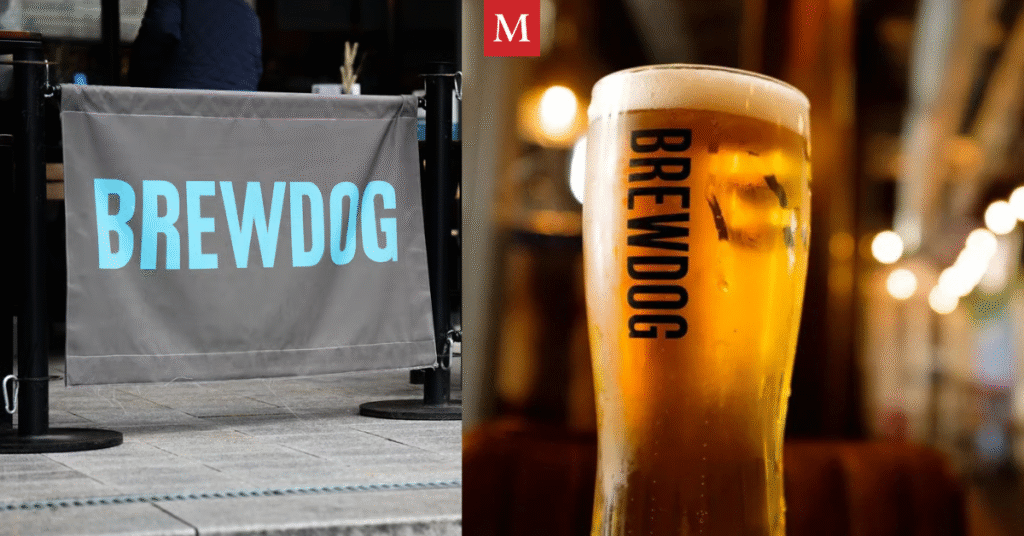
Walk into an independent British freehouse today, and the cellar lineup tells a very different story than it did five years ago. Where bright, glossy Punk IPA and Lost Lager badges once held permanent pride of place on brass font rails, landlords are quietly disconnecting lines, boxing up keg couplers, and ringing up regional microbreweries instead.
The phrase “BrewDog beers axed by pubs” has made waves across hospitality circles and social media feeds, but behind the headlines lies a complex reckoning. This isn’t just an overnight social media boycott; it is the culmination of margin pressure, aggressive supermarket discounting, cultural missteps, and a fundamental shift in what British drinkers expect when they walk up to a bar.
The View from the Cellar: Why the Math Stopped Working for Landlords
Ask any independent publican why they pulled a beer from their cellar, and the answer almost always starts with a spreadsheet.
Running a pub in Britain has become an exercise in high-wire financial survival. Between astronomical commercial energy bills, soaring business rates, and relentless inflation on barrel deliveries, landlords need every single draught tap to pull its weight.
To maintain a viable gross profit margin of roughly 65% to 70%, a publican buying a 50-litre keg of craft IPA at premium wholesale rates has to charge between £6.20 and £7.50 a pint over the bar. For years, customers happily paid that premium for BrewDog because it represented something exciting and distinct from mainstream lagers.
Then came the supermarket shelves.
Walk into almost any local supermarket in the UK, and four chilled cans of Punk IPA frequently sit on promotional offer for £5.50. When punters realise they can buy four cans in a multipack for less than the cost of a single pint at their local pub, the proposition breaks down.
Landlords found themselves fielding complaints from regulars about high pint prices for a product that had effectively become a high-street commodity. Facing razor-thin margins, publicans quickly realized they could buy higher-quality kegs from independent regional breweries at better wholesale margins—giving drinkers something genuinely exclusive that cannot be bought off a supermarket shelf on the way home.
The Living Wage Decision and the Loss of Trade Goodwill
While commercial margins triggered the quiet retreat, employment controversies accelerated the public break.
For over a decade, BrewDog heavily marketed its ethical credentials, taking pride in being an accredited Real Living Wage employer. That progressive branding resonated deeply with young hospitality workers and independent bar operators who saw the company as an ally in an industry notorious for low wages.
That relationship fractured when the brewery announced it would no longer pay the voluntary Real Living Wage to new recruits outside London, shifting instead to the government’s lower statutory National Living Wage.
For many hospitality workers and independent pub owners, this was a tipping point. Independent operators in major beer cities like Bristol, Sheffield, Manchester, and Leeds publicly announced they were removing all BrewDog products from their taps. The backlash was not merely ideological; it was an act of trade solidarity from publicans who felt the Scottish giant had abandoned the very workforce that built its brand.
When the ‘Anti-Establishment Rebel’ Becomes the Establishment
Part of BrewDog’s explosive early success was its combative, counter-cultural identity. Co-founders James Watt and Martin Dickie built a devoted following by presenting the brand as a scrappy outsider waging war against faceless multinational mega-breweries.
Yet as the company expanded across Europe, America, and Australia—backed by hundreds of millions in private equity investment from US-based TSG Consumer Partners—the punk narrative began to wear thin with serious beer drinkers.
For modern food and drink venues curating independent menus, whether artisan gastropubs or spots offering artisan sourdough pizza with curated craft pairings, BrewDog no longer carries indie credibility. In the eyes of the craft community, it occupies the exact same corporate tier as Beavertown (owned by Heineken) and Camden Town Brewery (owned by AB InBev).
The 2021 publication of the “Punks with Purpose” open letter by former employees, which raised serious allegations regarding high-pressure workplace culture, cast a long shadow over the brand’s public image. While the brewery has since overhauled internal HR policies, the rebel mystique was permanently punctured.
The Changing of the Guard: Life After James Watt
The corporate shift reached its logical conclusion in May 2024 when James Watt stepped down as Chief Executive Officer after 17 years.
Watt’s tenure was characterized by fearless, confrontational, and often divisive marketing. His successor, former Chief Operating Officer James Arrow, represents a much more traditional, corporate leadership style.
Under Arrow, the business has pivoted from aggressive stunt marketing to streamlining operations, shutting loss-making bars, consolidating product lines around top performers like Wingman and Hazy Jane, and prioritizing bottom-line stability ahead of a potential future stock market flotation.
Who Is Filling the Empty Tap Lines?
When landlords remove a BrewDog font, they rarely leave the hole on the bar empty. Instead, tap space is being claimed by three fast-growing categories:
- Regional Microbreweries: Independent operators like Northern Monk (Leeds), Deya (Cheltenham), Cloudwater (Manchester), and Verdant (Cornwall) have become the gold standard for British craft fans who value fresh, hyper-local brewing.
- Modern Session Cask Ales: Traditional hand-pulled cask ale is seeing a genuine cultural revival among younger drinkers, with pale ales like Timothy Taylor’s Landlord and Oakham Ales’ Citra delivering exceptional character at sensible price points.
- Specialist Continental Lagers: Rather than stocking corporate pseudo-craft lagers, pubs are returning to authentic heritage pilsners from Germany, the Czech Republic, and Spain.
Where Does BrewDog Actually Go from Here?
It is important to keep the current pub landscape in perspective: BrewDog is not on the verge of vanishing from British drinking culture.
The company maintains an extensive estate of over 100 branded bars worldwide, generates massive retail volume across supermarkets, and holds major supply contracts in transit hubs, hotel chains, and leisure complexes.
However, its era of unquestioned dominance over Britain’s independent pub taps has ended. For the UK’s freehouses and craft taprooms, dropping BrewDog is less about hostility and more about a return to what pubs have always done best: championing distinct flavours, supporting independent suppliers, and serving beers that make walking through the pub door feel special.
Trade Insights: Key Questions British Drinkers Are Asking
Why have so many independent pubs stopped pouring BrewDog?
The shift comes down to two main drivers: cellar profit margins and brand identity. Landlords struggle to make a profit on high wholesale keg costs when supermarkets sell the same cans cheaply. Additionally, workplace culture controversies and the decision to abandon the Real Living Wage for new hires led many progressive bar operators to seek independent alternatives.
Is BrewDog still considered a craft brewery?
While BrewDog brews craft-style beers like IPAs and sours, its multinational size, international bar network, and private equity backing mean most British craft industry trade bodies regard it as a major corporate beverage manufacturer rather than an independent microbrewery.
What beers are replacing Punk IPA in British pubs?
Pubs are largely replacing Punk IPA with sessionable pale ales and hazy IPAs from independent regional microbreweries such as Northern Monk, Deya, Tiny Rebel, and Siren Craft Brew, alongside traditional session cask ales.
Can you still buy BrewDog beers in UK pubs?
Yes. BrewDog remains widely available across its own company-operated bar chain, as well as in major hotel groups, entertainment venues, and airport terminals with established national distribution deals.