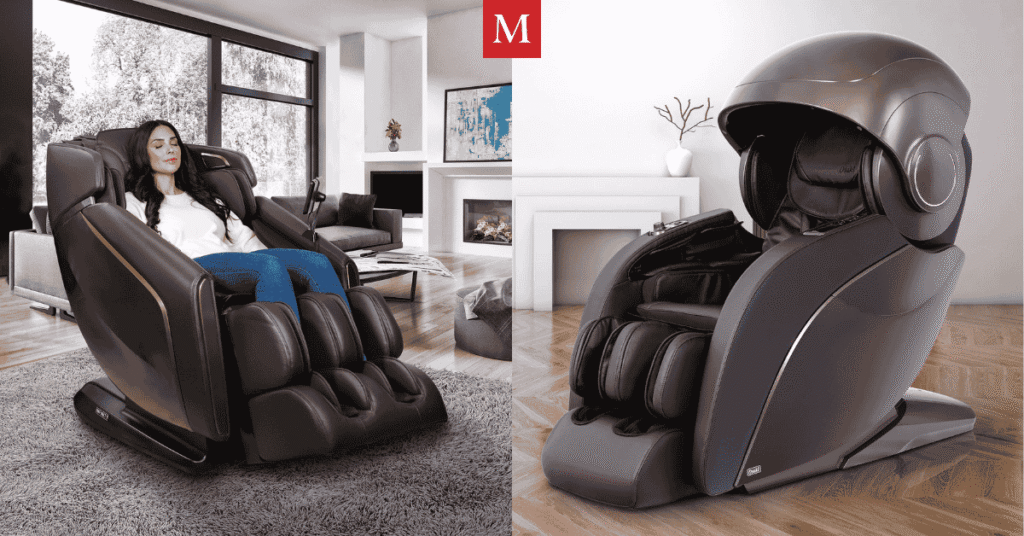
massage chair
If you’ve ever come home after a long day, dropped your bag on the floor, and thought, “I wish I had a massage right now,” you’re not alone. In 2025, massage chairs have quietly become one of the most popular home purchases in the UK. Some people buy them to help with back pain, others want stress relief, and many just want a small piece of comfort in their living room.
But choosing the best massage chair for home use in 2025 is not as simple as it sounds. There are so many models, features, and price ranges that it’s easy to end up overwhelmed. The challenge isn’t only choosing a chair it’s making sure the chair actually fits your needs, your space, and your lifestyle.
Below is an honest, human-written breakdown of what really matters when choosing a massage chair, without the sales talk.
Why More People Are Buying Massage Chairs in 2025
Wellness trends exploded in the last few years. People are sitting longer, moving less, and dealing with more stress than ever. A good massage chair means you don’t have to book a spa appointment every time your back starts complaining.
Most buyers look for a massage chair because:
- They sit for long hours at work
- They deal with shoulder or lower-back tension
- They want better sleep
- They need a moment of calm at home
- They’re tired of paying for frequent massages
It’s comfort, convenience, and long-term health rolled into one piece of furniture.
What Actually Makes a Massage Chair “The Best” in 2025?
There’s no single perfect chair for everyone, but certain factors separate the good from the disappointing.
1. The Feel of the Massage (Real-Life Experience Matters)
This is the part most people care about, yet it’s the hardest to judge online. Some chairs offer strong, deep pressure that feels close to an actual therapist. Others feel soft and gentle, which is great for relaxation but not ideal for chronic pain.
Here’s the trade-off:
- Stronger chairs help more with pain but may feel too intense for some users.
- Gentle chairs are relaxing but may not provide long-term relief.
If multiple family members plan to use it, choose a chair with adjustable pressure.
2. Size and Space The Most Overlooked Problem
Many people don’t realise how big massage chair actually are until the delivery arrives. Some models recline so far back that you need extra room behind the chair. Others slide forward when reclining, which saves space.
The challenge here is simple:
- If you have a small apartment, you must check measurements very carefully.
- If the chair is too big, it dominates the room and becomes annoying rather than relaxing.
Space-saving designs are usually worth paying a little extra for.
3. Program Variety and Massage Techniques
A modern massage chair can do a lot more than just roll up and down your back. The more advanced ones include:
- Shoulder and neck programs
- Foot and calf massage
- Heat therapy
- Stretching routines
- Reflexology foot rollers
- Zero-gravity recline
While these features sound great, here’s the reality:
More features = more expensive.
If you mainly want relaxation after work, you don’t need every advanced function.
If you’re buying it for a medical reason like stiff muscles or sciatica, a more advanced model might be necessary.
4. Comfort, Fit & Body Size
This is one of the biggest challenges. A chair that feels amazing for someone 5’6” may feel completely wrong for someone over 6 feet tall. The rollers may not reach the right areas, the seat may feel too tight, or the leg section might extend awkwardly.
When choosing the best massage chair for home use in 2025, consider:
- Height range
- Weight capacity
- Width of the seat
- Roller reach
This is why reading real customer reviews is more useful than the product description.
5. Durability & Build Quality
Massage chairs are full of moving parts motors, rollers, airbags so durability matters a lot. Cheaper chairs often use weaker motors that wear out faster. Premium chairs generally last longer but cost much more upfront.
The trade-off:
- Cheap chairs save money now but might break sooner.
- Higher-end chairs cost more but can last 7–10+ years.
If you plan to use the chair daily, durability becomes more important than extra features.
6. Heating Functions
Many people love heat therapy because it loosens stiff muscles quickly. Some chairs only heat the lower back, while others offer full-spine or even leg heating.
Things to consider:
- Too much heat may be uncomfortable for sensitive users
- Full-body heating uses more electricity
- Heat adds comfort but raises the price
Still, for many buyers, heating is a must-have.
7. Price vs Actual Value
Massage chairs can range from a few hundred pounds to several thousand.
Typical UK price ranges:
- £300–£600 – Light relaxation chairs
- £700–£1,500 – Mid-range, better features
- £2,000–£5,000 – Premium chairs with strong motors and advanced programs
Here’s the honest truth:
Most people don’t need a £5,000 chair unless they want the absolute best or have specific medical needs.
A good mid-range chair is usually the best balance between cost and performance.
8. Noise Level
Some massage chairs are very quiet. Others make clicking, whirring, or air-pumping noises. If you plan to use the chair at night, noise level becomes a real factor.
9. Warranty & Support
With so many mechanical parts, a reliable warranty is extremely important. Many cheap brands offer short or vague warranties.
Look for:
- Clear parts coverage
- UK-based support
- At least 1–3 years of warranty
A good warranty can save you a lot of future stress.
What Makes Choosing a Massage Chair Challenging?
Even with all these points, the final decision can still feel confusing. The biggest challenges customers face include:
- Overwhelming number of similar models
- Difficulty judging comfort from online listings
- Balancing features vs price
- Limited space in UK homes
- Differences in needs among family members
This is why thinking about your actual everyday use is more important than choosing the most “advanced” model.
So What Is the Best Massage Chair for Home Use in 2025?
The “best” massage chair is not the most expensive one — it’s the one that fits your lifestyle, your body, and your home. A family with back pain may need something stronger. Someone working long hours may value heat and relaxation more. A small flat might require a compact model.