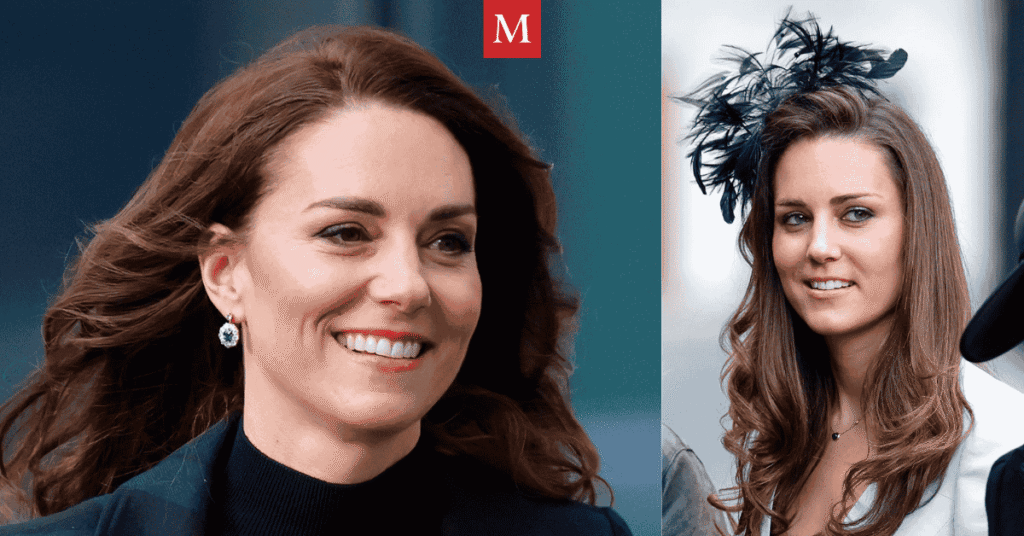
Catherine, Princess of Wales
When people hear “England vs Wales”, they often picture a packed stadium, two anthems sung at full volume and a sea of red shirts facing a wall of white. The truth, though, is that the story of England and Wales stretches far beyond 80 minutes of rugby or 90 minutes of football. It’s a long relationship made up of conquest, cooperation, everyday life – and, in the modern era, the symbolic presence of Catherine, Princess of Wales.
This article takes you through that mix of rivalry and connection: how England and Wales became so closely tied, why sport still feels so emotional, and where Catherine, Princess of Wales fits into the picture of modern Britain.
England vs Wales: Two Neighbours With One Entangled History
To understand England vs Wales, you have to start long before anyone kept league tables or broadcast matches on TV.
From Medieval Wales to English Conquest
For centuries, Wales had its own princes, its own laws and a strong cultural identity anchored in the Welsh language. That changed in the late 13th century when the English crown, under Edward I, conquered Wales and began building a chain of castles to secure control.
Over the next few generations:
- Welsh nobles lost power or were absorbed into English structures
- English law and administration gradually replaced native Welsh systems
- The Laws in Wales Acts of the 16th century formally joined Wales and England under one legal and political framework
On paper, England and Wales were now one unit. In practice, language, culture and memory made sure the story was not that simple.
A Shared State, Distinct Identities
Even as English influence grew, Welsh communities held onto a strong sense of “us”. The Welsh language, music, religious life and local traditions all helped maintain a separate identity inside a shared state.
This legacy still shows today. When people talk about England vs Wales, especially in emotional contexts like sport, they aren’t just talking about geography. They’re bringing centuries of history and identity into the conversation, even if they don’t say it out loud.
England vs Wales in Sport: Where Rivalry Has a Voice
If history is the background, sport is where England vs Wales becomes loud, colourful and impossible to ignore.
Rugby: Heart and Soul of the Rivalry
For many in Wales, rugby feels like more than a game. When England and Wales meet:
- Welsh fans often see the fixture as a chance to prove themselves against a bigger neighbour
- English supporters treat Wales as one of their classic, traditional rivals
- The build-up is full of old clips, memorable tries and talk of national pride
On matchday, you can feel the tension in homes, pubs and stadiums on both sides of the border. It’s not hostility so much as intensity – a sense that this one matters.
Football: Different Stage, Same Emotions
In football, the dynamic shifts but the feelings stay strong. England has a larger population and a deeper pool of clubs, but Wales has its own proud story and iconic moments.
When England vs Wales appears in a major tournament:
- The fixture becomes a headline game, regardless of the group
- Fans talk about bragging rights as much as points
- Social media fills with flags, chants and reactions to every tackle
Sport gives people an outlet. It lets the old “England vs Wales” question play out in a space where the stakes are emotional rather than constitutional.
England vs Wales Today: Everyday Life Across the Border
Outside stadiums, the relationship between England and Wales is quieter, more practical and often surprisingly ordinary.
Devolution and Modern Politics
Wales now has its own parliament, the Senedd, with powers over areas like health, education and transport. This means:
- Wales can set its own policy in key domestic areas
- England and Wales share some institutions but differ in others
- The old idea of a single “England and Wales” administrative unit has shifted towards a more balanced arrangement
For most people, this plays out in small ways: differences in school systems, variations in health services, distinct approaches to transport and local government.
Everyday Connections
In day-to-day life, England vs Wales looks less like a rivalry and more like a web of connections:
- People cross the border daily for work and study.
- Families often have roots in both nations.
- Tourism flows both ways – English visitors head for Welsh mountains and coasts, while Welsh residents visit English cities for shopping, concerts and sport.
The emotional weight of “England vs Wales” is still there, but it sits alongside countless quiet examples of cooperation and shared lives.
Catherine, Princess of Wales: A Historic Title in a Modern Age
Into this mix of history and modern life steps Catherine, Princess of Wales – one of the most recognisable figures in the UK and a person whose title carries centuries of meaning.
What Does “Princess of Wales” Actually Mean?
Traditionally, the title “Prince of Wales” is given to the heir apparent to the British throne. His wife, in turn, becomes “Princess of Wales”. The title dates back to the period after the English conquest of Wales and has been held by several royal figures.
Today, when people search for “Catherine, Princess of Wales”, they are often looking for:
- Updates on her public engagements and charitable work
- Insight into her role within the royal family
- Information on how her title connects to Wales and its people
The historical weight of the title and the modern image of Catherine sit side by side, shaping how the role is understood.
Public Role and Soft Influence
Catherine, Princess of Wales is known for her work around:
- Early childhood development
- Mental health awareness
- Support for families and young people
Her visits to communities in Wales, England and elsewhere in the UK are designed to highlight shared challenges and common values rather than divisions. In that sense, her role is less about “England vs Wales” and more about bridging nations within the UK.
At the same time, the title itself can spark debate. Some see it as a symbol of unity and connection; others view it through the lens of history and question how well it reflects modern Welsh identity. Both perspectives exist side by side in contemporary Britain.
England vs Wales and Catherine, Princess of Wales: How They Intersect
So how do these threads tie together – the rivalry, the shared history and the presence of Catherine, Princess of Wales?
Symbolism in a Multi-Nation State
The United Kingdom brings together England, Wales, Scotland and Northern Ireland, each with its own culture, politics and sense of identity. Within that framework:
- The title “Princess of Wales” is meant to acknowledge the importance of Wales within the union.
- Royal visits and engagements in Welsh towns and cities emphasise recognition and visibility.
- The public image of Catherine, Princess of Wales is carefully managed to present a sense of stability, continuity and empathy.
For those who value the monarchy, this can feel like a reassuring link between Wales and the wider UK.
A Relationship Still Evolving
At the same time, the story of England vs Wales is not finished. Devolution, cultural revival and changing attitudes to institutions mean the relationship continues to develop.
What remains fairly constant is this:
- Sport will keep giving England vs Wales rivalry a loud, passionate stage.
- Every day life will keep drawing people on both sides of the border together.
- Figures like Catherine, Princess of Wales, will continue to occupy symbolic roles in conversations about identity, tradition and modern Britain.
The balance between history, emotion and practical reality is what makes the relationship so interesting.
FAQs: England vs Wales and Catherine, Princess of Wales
1. What does “England vs Wales” usually refer to?
Most often, “England vs Wales” refers to sporting fixtures, especially in rugby and football. It can also describe broader historical, cultural or political contrasts between the two nations within the UK.
2. Are England and Wales separate countries?
Yes. England and Wales are both countries within the United Kingdom. They share some institutions but have distinct identities, and Wales has its own parliament for many domestic matters.
3. Why is the title “Princess of Wales” important?
The title has deep historical roots and is traditionally given to the wife of the heir to the throne. Catherine, Princess of Wales holds that title today, linking the modern royal family symbolically with Wales.
4. Does Catherine, Princess of Wales influence England vs Wales relations?
Her role is largely symbolic. Catherine, Princess of Wales doesn’t make political decisions, but her visits, speeches and charitable projects are intended to highlight shared concerns and connections across the UK, including Wales.
5. Is the England vs Wales relationship mainly about rivalry now?
No. Rivalry is most visible in sport, but everyday life is dominated by connection and cooperation – people working, living and travelling across the border, and sharing many aspects of culture and public life.