There’s a moment every new parent hits usually around 2am, mid-feed, mid-mess where they finally understand why everyone kept gifting them muslin cloths. Before that moment, they just seemed like an odd, slightly old-fashioned baby shower present. After it, you’re buying a second set.
That’s really the story of muslin cloths. Unassuming, a bit unglamorous, and quietly indispensable. Here’s what they actually do, how to pick decent ones, and how to keep them going strong past the newborn stage.
What Are Muslin Cloth, Exactly?
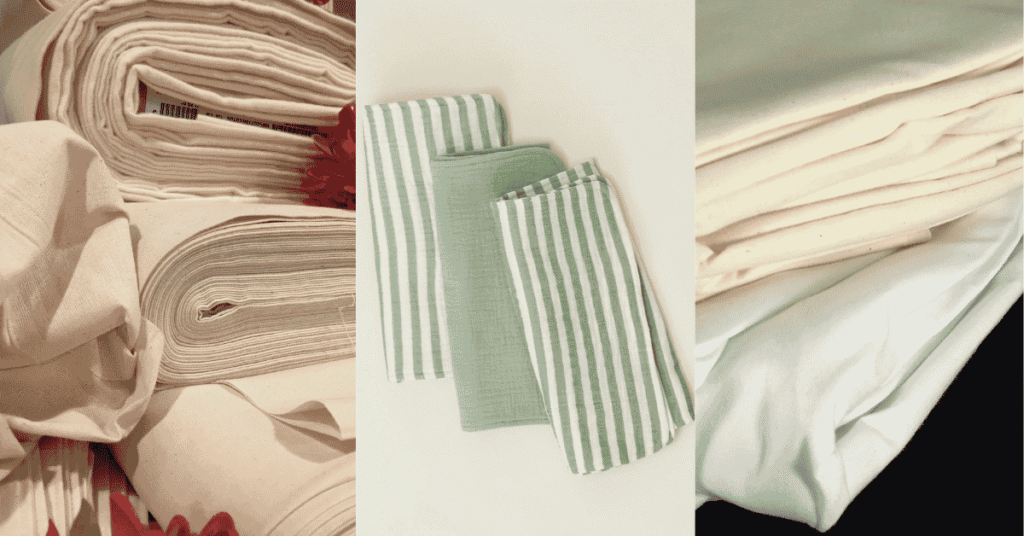
At its simplest, a muslin cloth is a piece of loosely woven cotton fabric. That loose weave is the whole point — it’s what makes muslin feel so different from a bath towel or a flannel. Air moves through it. It dries in minutes on a radiator. And unlike most fabrics, it gets softer the more you wash it, not scratchier.
The fabric itself has been around for centuries, first woven in India and named after Mosul in modern-day Iraq, where European traders came across it. It ended up in nurseries for a fairly practical reason: it’s soft enough for newborn skin, but tough enough to survive a wash cycle most days of the week.
Why Not Just Use a Normal Cloth?
Fair question. Regular cotton cloths are thicker and hold onto heat, which isn’t ideal against a baby’s skin — particularly if your house runs warm or your baby’s prone to a bit of a rash. Muslin’s open weave lets heat escape instead of building up, which is one reason it’s the go-to for swaddling.
Choosing Muslin Cloth That Actually Hold Up
Here’s the bit nobody tells you before you buy your first pack: quality varies a lot, and you’ll notice within the first few washes.
Fabric. Stick to 100% cotton where you can organic if your budget allows it, since babies absorb more through their skin than we do. Bamboo muslin has become popular too; it’s a touch silkier, though slightly less breathable than classic cotton.
Size. The standard 70x70cm size is fine for burping and general mess control. If you want something for full swaddling or as a makeshift pram shade, go bigger 110x110cm or above.
How many. Six to eight is the number most parents land on eventually, usually after running out mid-feed one too many times. Fewer than that and you’ll be doing an emergency wash more often than you’d like.
More Uses Than You’d Expect
Ask any parent what their muslins actually get used for and swaddling is rarely top of the list. In practice, they end up as:
- A burping cloth for your shoulder
- A quick swaddle for a fussy newborn
- Shade over a pram on a bright day
- A changing mat when you’re caught out
- A breastfeeding cover
- A comfort object once your baby starts recognising it
- A gentle face or hand wipe
- Cover for a nursing pillow
- A picnic blanket for a very small human
- A soft cloth for bath time
Most parents don’t plan for all of this it just happens, one cloth at a time.
Keeping Them Soft (and Actually Clean)
Wash new muslins before first use it softens them up and clears any residue left from manufacturing. After that, a 30–40°C wash with a fragrance-free detergent does the job. Skip the fabric softener; it coats the fibres and quietly kills the absorbency that makes muslin useful in the first place.
Air-drying keeps them in better shape long-term, though a low tumble dry works fine if you’re short on time. If the edges start fraying and they will, eventually a quick zigzag stitch buys you several more months before you need to retire it.
Final Thought
Muslin cloths won’t win any prizes for excitement, but ask any parent a few months in and they’ll tell you the same thing: buy more than you think you need. You’ll use every single one.
FAQs
How often should I wash muslin cloths?
After every use if there’s milk, sick, or mess involved. If a cloth’s only been used for swaddling or shade, every few days is enough.
Are muslin cloths okay for babies with eczema or sensitive skin?
Generally yes the breathable weave is one reason they’re recommended for sensitive skin. Organic cotton and a fragrance-free wash routine will help even more.