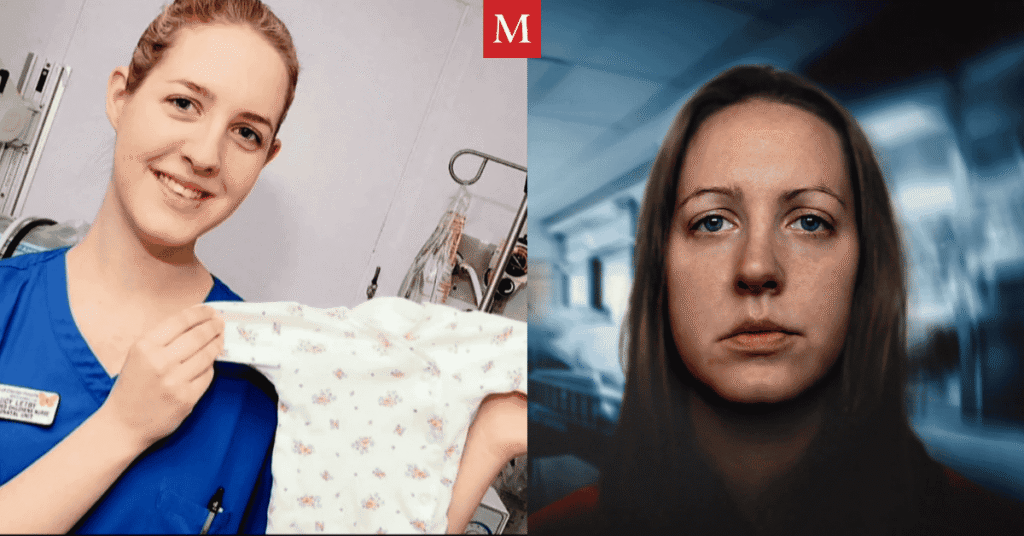
Lucy Letby
The name Lucy Letby has become one of the most talked-about – and emotionally loaded – in recent UK history. Once a neonatal nurse trusted to care for some of the most fragile babies in the country, she is now known as a woman convicted of multiple murders and attempted murders on a hospital ward, and is serving a whole-life sentence behind bars.
For a while, that’s where most people’s understanding stopped: a horrific true-crime story, a shocking trial, a life sentence, case closed.
Then came the Lucy Letby documentary wave. In particular, the high-profile Lucy Letby documentary Channel 5 broadcasts have drawn huge audiences, intense debate and a surprising shift in how people in the UK talk about justice, expert evidence and trust in the system.
This article explores how these programmes are reshaping public opinion, why “Lucy Letby prison” is such a heavily searched term, and what it all means for viewers trying to make sense of a deeply disturbing case.
A Brief Reminder: Who Is Lucy Letby?
Before the documentaries, most people knew only the basic outline.
Lucy Letby worked as a neonatal nurse on a busy unit in an NHS hospital. After a series of sudden collapses and deaths on the ward, investigations began, and over time the focus narrowed onto one member of staff: Letby.
She was arrested, charged, and eventually convicted of murdering several babies and attempting to murder others.
Today, when people search for “Lucy Letby prison”, they are usually trying to understand three things:
- What a whole-life order actually means in practice.
- What her day-to-day existence in a high-security women’s prison might look like.
Whatever your view of the verdict, there’s no denying that the case is tragic and complex. The new documentaries lean into that complexity rather than wrapping it in a neat true-crime bow.
The Rise of the Lucy Letby Documentary
Why this case became documentary material so quickly
True-crime has exploded in popularity, but the Lucy Letby story is different from many older cases because it moved from courtroom to camera at incredible speed.
There are a few reasons for that:
- Public shock – The idea of a nurse harming babies in a neonatal unit cuts against everything people expect from healthcare.
- Huge media coverage – The trial and sentencing were heavily reported, creating a ready-made audience for any follow-up programme.
- Complex evidence – Medical notes, statistics, expert testimony and hospital culture are not easy topics; they almost demand longer-form explanation.
The result is a string of programmes, with the Lucy Letby documentary Channel 5 titles taking centre stage in the UK.
What makes the Channel 5 documentaries stand out
The key characteristics of the Channel 5 approach are:
- Focus on evidence, not just emotion
Viewers are taken through medical charts, time lines and staffing patterns, not just courtroom sketches and headlines. - Use of multiple perspectives
Doctors, statisticians, legal commentators and people with experience in neonatal care are brought in to discuss what the records might. - Willingness to explore doubt
Rather than presenting the conviction as beyond any possible question, the Lucy Letby documentary Channel 5 material openly acknowledges that some experts disagree about how the evidence should be interpreted.
This doesn’t automatically mean the documentaries claim she is innocent.
How the Documentaries Are Shifting Public Opinion
From “monster narrative” to messy reality
Immediately after the verdict, the dominant narrative around Lucy Letby in the UK was very simple: a “monster nurse” story, with a clear villain and innocent victims. That framing gave people somewhere to put their horror and anger.
The Lucy Letby documentary programmes have not removed that horror, but they have complicated the picture. By highlighting:
- How fragile and unstable many neonatal babies already are.
- How difficult it can be even for experts to distinguish between natural deterioration and deliberate harm.
- How human error, system pressure or poor management can influence both care and investigations.
they have moved the story away from pure caricature.
Some viewers come away feeling even more strongly that the conviction is right, because they feel the programmes underline just how serious the concerns were. Others find themselves unsettled, wondering whether they accepted a black-and-white story because it felt easier than sitting with doubt.
In both cases, the Lucy Letby documentary Channel 5 series has ensured that people talk about the case in more detail and with more awareness of nuance than before.
Trust in the justice system and expert evidence
Another clear way these programmes are changing public opinion is in how people think about experts and courts.
On one hand, you have a jury that sat through months of evidence and reached a unanimous verdict. On the other, you have highly qualified professionals who appear on screen and say, in essence, “I’m not certain this evidence proves murder beyond reasonable doubt.”
That tension forces viewers to ask themselves:
- Do I instinctively trust court decisions, or do I think a documentary can sometimes reveal real problems?
- Is it possible to hold two things at once – belief in the importance of juries and an awareness that they can still be wrong?
People in the UK are used to trusting the criminal justice system, but the Lucy Letby documentary cycle has reminded many that trials are human processes, shaped by what evidence is allowed in, which experts are called and how arguments are framed.
Lucy Letby Prison: What the Sentence Symbolises
When the sentence of a whole-life order was handed down, the focus was naturally on punishment. A whole-life tariff is often seen as society’s way of saying,
The documentaries have added another layer to how people read that sentence.
For others, the thought that someone might spend the rest of their life in Lucy Letby prison conditions if there are still serious questions about aspects of the evidence feels deeply troubling. Even those who still believe the verdict is correct can find themselves pondering the implications of locking a person away forever in a case where the science is so complex.
Either way, the documentaries have moved conversation about Lucy Letby prison away from simple curiosity about which jail she is in, towards bigger questions about how we use the harshest penalties available to the courts.
The Ethical Question: How Should We Watch the Lucy Letby Documentary?
With any high-profile case, especially one involving the deaths of children, there’s a risk that it becomes just another “true-crime binge”. The Lucy Letby documentary Channel 5 programmes, along with other investigations, make it much harder to treat this case as pure entertainment.
They subtly push viewers to consider:
- There are grieving families at the heart of this story.
- There are staff who worked on that ward who still carry guilt, fear or anger.
- There is a woman in a cell who, whether guilty or innocent, faces the rest of her life in prison.
Watching with empathy doesn’t mean you have to reach a particular conclusion about guilt or innocence. It does, however, mean remembering that behind every statistic or chart in a Lucy Letby documentary lies a real life that was changed forever.
What This Means for Future True-Crime in the UK
The coverage of Lucy Letby has set a new tone for British true-crime content. Instead of a tidy narrative delivered from on high, we now see:
- More willingness to air expert disagreement.
- Less fear about questioning institutions, whether that’s the NHS or the courts.
For content creators, that means any future Lucy Letby documentary or any documentary about comparable cases –will be judged by whether it treats its audience like adults: capable of handling uncertainty.
FAQs About Lucy Letby and the Documentary
1. Who is Lucy Letby?
Lucy Letby is a former neonatal nurse in the UK who has been convicted of murdering and attempting to murder babies in her care.
2. What is the main focus of the new Lucy Letby documentary?
The new Lucy Letby documentary focuses on re-examining the medical, statistical and hospital evidence behind her conviction and how it was presented.
3. What does “lucy letby documentary channel 5” refer to?
“lucy letby documentary channel 5” refers to Channel 5’s investigative programmes that analyse the case in detail and explore whether the evidence has been correctly understood.
4. What does Lucy Letby’s prison sentence involve?
Lucy Letby is serving a whole-life order in a high-security women’s prison, meaning she is not expected to be released.
5. How are the documentaries changing public opinion in the UK?
The documentaries are making people more aware of the case’s complexity, prompting some to question aspects of the evidence while others feel more strongly that the conviction and sentence are justified.