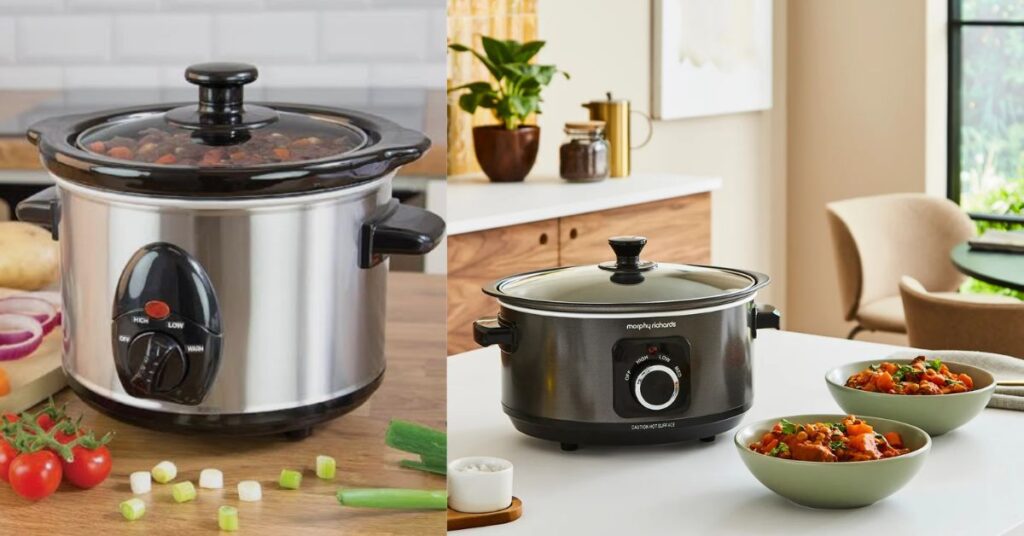
Pulling an electric slow cooker out from your kitchen cupboard when the weather turns chilly sounds like the easiest way to feed a busy household. You chop a few vegetables in the morning, tip in meat with stock, put the glass lid on and walk away for eight hours while your home slowly fills with the smell of rich beef stew.
Yet plenty of beginners open the lid at six in the evening only to find a pool of pale, watery liquid with rock-hard carrots floating next to overcooked meat. Learning how to use a slow cooker properly does not need complicated cooking training. It simply requires understanding that a sealed electrical pot behaves under completely different physical rules from an oven or a bubbling pan on top of your stove.
Inside a slow cooker, steam cannot escape into the air. Water never boils off, onions and meat release extra juices as they warm, while tough meat fibres break down into melt-in-the-mouth bites. Whether you are looking up reviews for the best slow cooker on high-street shelves, comparing European tests for the bedste slow cooker models or accidentally typing slow cooker slow cooker into search engines while looking for winter meal ideas, this plain guide walks you through heat settings, smart food prep, foolproof British family meals, practical fixes when things go wrong and safe cleaning.
Understand Your Temperature Dials and Heat Settings
Before cutting any meat or peeling potatoes, look closely at the dial or digital buttons on the front of your cooker. Almost every machine sold across Britain features three standard settings: Low, High and Keep Warm. Clearing up how the real temperature for slow cooker pots works solves the single biggest mistake people make in weekday cooking.
Many people assume that Low produces a gentle warmth like a household central heating radiator while High cooks food at blistering heat like a hot frying pan. In reality, both Low and High settings climb up to roughly the same gentle simmer point of 95°C to 100°C (around 205°F to 212°F).
The only true difference in a low vs high temperature setting is the speed the heating element takes to bring the heavy ceramic bowl up to that simmering level. Low gets there gradually over seven to nine hours, making it ideal when you head out to work in the morning. High pushes full electrical power from the start, reaching that identical simmer within three to four hours.
| Setting | Heat Range Reached | Typical Cooking Time | When You Should Pick It |
|---|---|---|---|
| Low | 79°C to 93°C (175°F to 200°F) | 7 to 9 hours | Leaving dinner on while working a full day out of the house |
| High | 95°C to 100°C (205°F to 212°F) | 3 to 4 hours | Weekend lunches, quick afternoon stews or finishing off root vegetables |
| Keep Warm | 63°C to 74°C (145°F to 165°F) | Up to 2 hours max | Holding already cooked food hot until late family members get home |
Running a countertop pot saves noticeable money on utility bills. Checking the electricity running cost pence per hour shows that a standard 200W ceramic cooker uses roughly 0.2 kilowatt-hours of electricity per hour. Over an eight-hour simmer, that amounts to around 35p to 45p in power, compared to running a large fan oven at £1.20 to £1.80 for the same meal.
One critical safety warning applies to the Keep Warm setting. Never attempt to cook raw meat or cold vegetables on Keep Warm. The heat on that setting hovers too close to bacterial danger zone food safety rules between 8°C and 63°C, where food-poisoning bugs multiply rapidly. Keep Warm is only meant to keep piping-hot, already cooked dishes warm for an hour or two before serving at the table.
How to Pack Your Pot Without Ending Up with Watery Soup
How you layer ingredients inside the heavy ceramic bowl decides whether you end up with thick, glossy gravy or a thin, tasteless broth. Follow four simple kitchen habits every single time you cook:
Keep the Bowl Between Half and Two Thirds Full
Always fill pot half to two thirds full with your ingredients and liquid. If you only put a small handful of food inside a large six-litre cooker, the liquid dries out quickly around the hot ceramic sides and burns along the bottom edges. If you pile ingredients right up to the glass rim, steam cannot circulate properly and the centre of the pot takes far too long to reach a safe internal temperature.
Cut Down Added Liquids by One Third
Because the heavy glass lid keeps moisture trapped inside the pot, water cannot boil off into the kitchen air. Whenever you adapt normal oven slow cooker recipes for an electrical countertop pot, reduce cooking liquid by third before clicking the machine on. Beef joints, diced pork, onions, leeks and chopped mushrooms shed an enormous amount of natural water as their cell walls soften. Adding just a teacup of stock or wine gives you a generous pot of rich sauce by the time dinner is ready.
Put Dense Root Vegetables Right on the Bottom
Heat transfers into the stoneware bowl directly from the outer metal casing and the base element. Because potatoes, carrots, parsnips and swede take far longer to cook than meat fibres in moist heat, always layer root vegetables underneath meat. Chop root veg into even chunks, scatter them across the bottom so they sit submerged in the stock, then place your seasoned meat cuts directly on top of the vegetable bed.
Keep the Glass Lid Firmly Shut and Thaw Meat First
Resist the urge to lift the lid every hour to smell what is cooking. Learning to never lift the lid early keeps your dinner on schedule, because lifting the lid releases trapped steam and drops the internal temperature by 10°C to 15°C, adding twenty minutes of extra cooking time every single time you take a look.
Food safety requires another clear rule: always thaw frozen meat before cooking in your refrigerator overnight. Putting frozen chicken breasts, icy sausages or a solid block of beef into a slow cooker allows meat to sit inside warm moisture for several hours before reaching safe pasteurisation heat, giving harmful bacteria like Salmonella and Campylobacter plenty of time to grow.
Cooking Classic British Meals from Scratch
Slow cookers shine brightest when turning affordable supermarket cuts of meat into tender family suppers. Here is how to handle classic British staples so every dish comes out delicious.
Beef Stews, Casseroles and Bourguignon
When buying meat for slow cooker beef dishes, leave expensive lean cuts like sirloin, fillet or rump steak on the shelf. Lean beef dries out and turns chewy after five hours of low heat. Instead, look for cheaper tough cuts of meat with plenty of white connective tissue and marbled fat, particularly brisket shin and chuck steak. Over seven hours of gentle heat, the tough collagen melts into natural gelatin, creating tender beef that pulls apart with a simple spoon.
Taking ten minutes for searing meat in frying pan oil with diced onions before adding it to the bowl gives any slow cooker beef stew much deeper colour and savoury flavour. Brown the beef cubes over high heat in a splash of oil until dark crusts form, deglaze the hot frying pan with a small splash of red wine or beef stock to lift the sticky browned bits off the bottom, then pour it all into your cooker. That quick extra step transforms a plain beef stew slow cooker dinner and helps you build a rich beef bourguignon slow cooker feast with mushrooms, carrots and smoked bacon lardons. If you enjoy learning about traditional British meat preparation, our guide to the tradition of a rolled roast explores how butcher cuts behave when cooked with patience.
Chicken Casseroles and Curries
Chicken needs a slightly different touch to stay succulent. Boneless skinless chicken breasts have almost no fat, meaning they often turn stringy if left simmering on Low for longer than five hours. For consistently juicy slow cooker chicken recipes, swap breasts for skinless boneless chicken thighs. Thigh meat contains enough natural fat to stay moist over six hours on Low, making it perfect for a rich chicken casserole slow cooker with leeks and bacon, or a comforting slow cooker chicken curry made with warming ground spices and creamy coconut milk. For more wholesome weekday dinner ideas made from simple ingredients, our look at Jamie Oliver Eat Yourself Healthy shares practical advice on packing fresh nutrition into family routines. If you enjoy spicy roasted chicken flavours inspired by the Algarve, reading about the charcoal-grilled dishes at Casa do Frango London Bridge offers great inspiration for seasoning poultry before slow cooking.
Sausages and Gammon Joints
Sausages make hearty, cheap midweek suppers that children love. When making a sausage casserole slow cooker pot, always brown your pork or beef sausages in a frying pan for six minutes first until the skins turn golden brown. Dropping raw sausages straight into cold liquid leaves their skins pale and rubbery. Browning them first locks in shape and texture, giving you a slow cooker sausage casserole that looks appetizing when ladled over creamy mashed potato.
A slow cooker gammon joint is one of the easiest weekend crowd-pleasers you can prepare. Place a smoked or unsmoked boneless gammon joint into the bowl, pour half a bottle of apple cider or ginger ale around the base without submerging the joint completely, then let it simmer on Low for six hours. The salty pork turns meltingly tender and slices neatly for weekend roasts or weekday sandwiches.
Chilli Con Carne and Crucial Kidney Bean Safety
A rich slow cooker chilli is a British family favourite that gets richer the longer it simmers. When preparing a big batch of slow cooker chilli con carne with minced beef, garlic, cumin and chopped tomatoes, you must follow dried kidney beans boiling safety strictly.
Never add raw dried red kidney beans directly into a slow cooker. Raw dried kidney beans contain high amounts of a natural plant toxin called phytohaemagglutinin. If dried beans are heated gently at 80°C in a slow cooker without boiling, the toxic effect actually increases fivefold, causing severe sickness within hours. You must either soak dried kidney beans overnight and boil them rapidly in a pan of water on your stove for ten full minutes before draining and adding them to the slow cooker, or simply use tinned red kidney beans from the supermarket, which are already fully cooked and completely safe to tip into the pot.
Old-Fashioned Rice Pudding and Winter Treats
Electric pots make nostalgic British desserts effortless without standing by a stove stirring milk for an hour. Making slow cooker rice pudding requires only a handful of pantry staples: rub a knob of butter around the inside walls of the ceramic bowl so milk does not bake on, stir in short-grain pudding rice, white sugar, whole milk and freshly grated nutmeg, then cook on Low for three hours. The rice absorbs the milk slowly, forming a golden skin across the top and a velvety texture underneath. For households that enjoy slow-cooked winter desserts, exploring our guide to traditional steamed Christmas pudding shows how slow steaming delivers deep fruit flavours without heating up a huge oven.
How to Fix Slow Cooker Recipes When Dinners Go Wrong
Every home cook encounters occasional kitchen mishaps with a slow cooker. Knowing how to fix slow cooker recipes on the spot rescues your dinner quickly without having to order an expensive takeaway:
- Thin and Runny Sauce: If your casserole looks like thin water thirty minutes before serving, mix one tablespoon of cornflour with two tablespoons of cold water in a small mug until completely smooth. Stir this cornflour slurry thickening sauce directly into the bubbling liquid, turn the heat dial to High, prop the glass lid slightly ajar with a wooden spoon so steam can escape then let it bubble for twenty minutes until the gravy turns glossy and thick.
- Tough Root Vegetables: If your carrots and potatoes are still firm while your beef is tender, use tongs to lift the meat onto a warm plate covered with kitchen foil. Turn the cooker up to High, pop the lid back on and let the root vegetables bubble rapidly in the hot broth on their own for thirty minutes until tender, then stir the meat back in.
- Over-Salted Broth: Salt does not evaporate in a sealed pot. If a stew tastes too salty from commercial stock cubes, peel a large raw potato, cut it in half then drop the raw halves into the hot sauce for twenty minutes. The raw potato absorbs excess salt like a sponge. Remove and discard the salty potato pieces before serving, or add a splash of boiling water with a squeeze of fresh lemon juice to balance the seasoning.
- Dry Shredded Meat: If chicken breast or pork loin simmered too long and turned dry, shred the meat finely using two forks and stir it thoroughly through the hot sauce so the shreds soak up moisture and seasoning.
- Pale and Colourless Stew: If your meat stew looks grey because you skipped browning the meat in a pan, stir in a dash of Worcestershire sauce, a teaspoon of tomato puree, or a few drops of gravy browning to give the broth deep colour.
Choosing the Right Machine Size for Your Home
If you are shopping for a new appliance or upgrading an old cooker, choose a size tailored to how many people you cook for on typical weeknights. Buying an oversized machine when you only cook for one person causes food to dry out and burn.
| Appliance Size | Bowl Capacity | People Fed | Ideal Kitchen Use |
|---|---|---|---|
| Small Slow Cooker | 1.5L to 3.5L | 1 to 2 people | Singles, couples, small flats or making side dishes |
| Medium Family Cooker | 4.5L to 5.5L | 3 to 4 people | Typical households cooking everyday midweek suppers |
| Large Multi-Cooker | 6.0L to 8.0L | 5+ people or batch cooking | Large families, whole chickens, big gammon joints or freezing meals |
| Triple Buffet Warmer | 3 x 1.5L pots | Large parties and buffets | Serving three separate curries, chilli bowls and rice warm |
A compact small slow cooker takes up minimal worktop space and works wonders for simple curries or porridge. When researching the best slow cooker uk shoppers can buy today, decide whether you want a traditional ceramic stoneware bowl or a modern digital multi-cooker.
A ninja slow cooker such as the Ninja Foodi PossibleCooker costs more than a standard £30 supermarket pot, yet its built-in ninja foodi possiblecooker sear saute function allows you to brown meat and soften onions directly in the cooking pot on your hob or worktop before switching to slow cook mode. That cuts down on washing up messy frying pans.
For entertaining friends or hosting festive parties, a 3 pot slow cooker offers unbeatable convenience. Usually listed online as a 3 crock pot slow cooker or a 3 crock pot cooker, these buffet appliances feature three separate heated bowls set into one base. That design allows you to keep beef chilli, chicken curry and spiced rice hot and ready for guests at the same time. If your kitchen worktops feel cramped, reading through clever ideas for small kitchen larder cupboards will help you find smart storage spots for countertop appliances when they are not in use.
Cleaning Your Ceramic Pot and Keeping Food Safe
Glazed ceramic stoneware pots clean easily with warm water and washing-up liquid, provided you treat them with a bit of care. Follow these ceramic stoneware pot cleaning care guidelines to protect your pot from damage:
- Avoid Sudden Temperature Shock: Never take a boiling-hot ceramic pot directly from its metal housing and plunge it under cold tap water. Sudden temperature changes cause the thick glaze and clay to crack right down the centre. Place the hot bowl onto a dry wooden board or folded tea towel and let it cool naturally to room temperature before washing.
- Soak Burnt Rings with Warm Soapy Water: If tomato sauce or gravy forms a baked ring along the top waterline, fill the cooled bowl with warm water and two drops of dish soap, leaving it to soak on the counter for half an hour. The stubborn bits wipe away easily with a soft sponge. Never use harsh wire scouring pads on glazed ceramic or non-stick inner bowls.
- Keep the Metal Shell Completely Dry: Only the removable inner pot and glass lid can be immersed in water or placed into a dishwasher. Always unplug the outer heating base and wipe it clean with a lightly damp microfiber cloth only.
- Chill Leftovers Promptly in Shallow Tubs: Never leave a large pot of leftover stew sitting on your kitchen counter inside the warm switched-off ceramic bowl overnight. Heavy stoneware holds residual heat for hours, creating an ideal breeding ground for harmful bacteria inside the danger zone. Spoon leftover portions into shallow plastic containers, let them cool on the worktop for twenty minutes, then refrigerate within two hours.
- Handle Power Cuts Safely: If a power cut hits your home while you are away and you cannot confirm how long meat sat at room temperature, throw the food away safely. Reheating meat that lingered lukewarm for hours cannot destroy heat-resistant bacterial toxins.
Frequently Asked Questions (FAQs)
Do you need to brown meat before putting it in a slow cooker?
You can safely add raw beef, pork or chicken thighs straight into the bowl without browning them first. Still, spending five minutes browning meat in a hot frying pan adds deeper colour, crisps the fat plus builds richer savoury flavour in your finished gravy.
Can you safely leave a slow cooker on all day while out at work?
Yes. Modern UK slow cookers are designed to run safely on their own on the Low setting for eight to ten hours. Always place your cooker on a flat, heat-resistant worktop well away from kitchen walls, tea towels or curtains.
Why does slow cooker chicken breast turn dry and stringy?
Chicken breasts are very lean with almost no connective tissue or fat. Cooking them on Low past four hours causes the lean muscle fibres to tighten and expel all moisture. Swap breasts for boneless chicken thighs for stews, or check chicken breasts after three hours to keep them tender.
How much water or stock should you add to a slow cooker?
Use roughly one third less liquid than a standard oven casserole recipe specifies. Slow cookers have sealed lids that prevent steam from escaping while vegetables shed natural juices during cooking. You only need enough liquid to cover the bottom layer of vegetables.
Can you put dry pasta or raw rice into a slow cooker at the beginning?
Adding dried pasta or white rice at the start turns it into a mushy, thick paste over eight hours. Cook rice and pasta separately on your stove and serve the stew over it, or stir uncooked pasta into the slow cooker during the final thirty minutes on High so it cooks through neatly.
Why are my root vegetables still hard after seven hours of cooking?
Root vegetables such as carrots, parsnips or potatoes require direct heat and moisture to break down their dense starches. Always chop root vegetables into small, uniform pieces and place them flat across the very bottom of the pot directly beneath the meat where the temperature is highest.








1 thought on “How to Use a Slow Cooker UK Guide and Recipes”
Comments are closed.