For a high volume office, the machine that matters most is one with a large bean hopper, a fast brew cycle, and internals built to run all day without overheating or clogging. Look for a hopper that holds at least a kilogram of beans, a brew time under thirty seconds per cup, and a milk system that can keep pace during busy periods like mid-morning and after lunch. Skimping on any of these three usually means queues at the machine and a lot more calls to your service engineer.
A machine suited to high footfall needs a large hopper capacity, quick brew times, a reliable milk system, and easy-to-clean internals. Machines built for home or light office use tend to struggle once daily cup counts climb past eighty or a hundred, so checking these specs before you order matters more than the brand name on the front.
When you start comparing models, it helps to narrow the search to what’s actually built for volume rather than browsing everything on the market. The best bean to cup coffee machine for a busy office will almost always be a different model to one designed for a small team of five, so it’s worth filtering by daily cup capacity first and design or brand second.
Bean Hopper Capacity and Grinder Quality
The hopper is the first thing to check because it decides how often someone has to stop what they’re doing to top up beans. A small domestic style hopper holding two hundred grams will need refilling multiple times a day in a busy office, which gets old fast. Look for machines with hoppers holding at least a kilogram, and ideally with a ceramic or steel burr grinder rather than a cheaper blade grinder, since burr grinders produce a more consistent grind and last longer under heavy use.
How big a bean hopper do I need for an office machine?
For offices serving more than fifty cups a day, a hopper of at least one kilogram is recommended. Smaller hoppers mean frequent refills, which slows down service and adds an extra task to someone’s day.
Brew Speed and Daily Output
Brew speed matters more than people expect until they’re standing behind three colleagues waiting for their coffee. A good commercial-grade machine should produce a cup in twenty to thirty seconds, and manufacturers usually list a maximum daily output figure, often somewhere between one hundred and several hundred cups. Match that figure to your actual headcount rather than guessing, since running a machine near its daily limit shortens its lifespan considerably.
Milk System Reliability
If your office serves lattes, cappuccinos or flat whites regularly, the milk system needs to keep up during rush periods without clogging or losing froth quality. Fresh milk systems give better taste but need daily cleaning, while automatic milk cleaning cycles built into the machine can save time for busy teams. Ask whether the milk lines can be cleaned in a single automated cycle, since manual dismantling every day becomes a chore nobody wants to own.
Comparing Machine Specs for High-Volume Use
This table sums up what to check depending on how many people your office serves each day.
| Feature | Small Office (under 50 cups) | High-Volume Office (50+ cups) |
| Hopper size | 200g to 500g | 1kg or more |
| Brew time | 30 to 45 seconds | Under 30 seconds |
| Milk system | Manual clean, basic froth | Automated clean cycle |
| Grinder type | Blade or basic burr | Ceramic or steel burr |
Build Quality and Servicing Needs
The best commercial bean to cup coffee machine for a busy office is one built with commercial-grade internals rather than repurposed home appliance parts, since these components are designed to withstand hundreds of daily cycles without breaking down. Ask your supplier what routine servicing looks like and how often descaling or part replacement is needed under heavy use, because this affects uptime far more than most buyers expect.
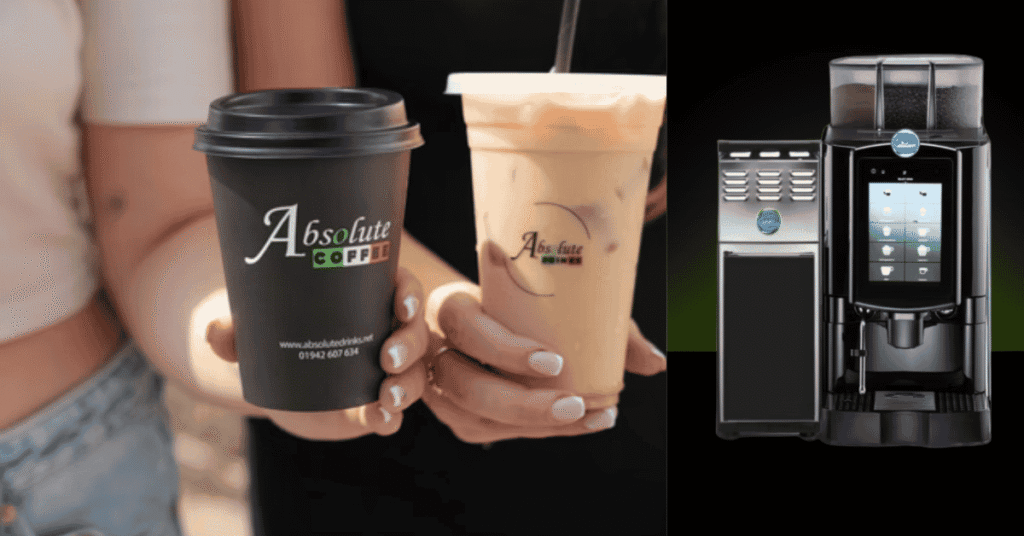
A supplier such as Absolute Drinks can talk you through service plans and which models hold up best under continuous daily use, which is often more useful than comparing spec sheets alone when you’re trying to avoid downtime.
What Sets the Top Bean to Cup Machines Apart
Top bean to cup coffee machines on the market tend to share a few common traits: dual hoppers for offering more than one bean option, programmable drink menus so staff can save their usual order, and self-cleaning cycles that run overnight. None of these are essential, but they make a noticeable difference in offices where the machine runs constantly through the working day.
A bean to cup coffee machine for business use should also be simple enough that any member of staff can operate it without training, since a complicated touchscreen menu just creates a queue of confused colleagues during the morning rush. In practice, the best bean to cup coffee machine for office settings tends to balance speed, hopper size and easy daily cleaning rather than chasing extra features nobody actually asked for.
Frequently Asked Questions
1. What is the ideal daily cup output for a high-volume office machine?
Machines rated for one hundred or more cups per day suit most high-volume offices comfortably. Always check the manufacturer’s maximum output rather than relying on hopper size alone.
2. How often should a bean to cup machine be descaled in a busy office?
Most commercial machines need descaling every one to three months depending on water hardness and usage. Machines with automated descaling cycles reduce this workload significantly.
3. Do bean to cup machines need daily cleaning?
Yes, especially the milk system if fresh milk is used. Bean hoppers and drip trays should also be checked and emptied daily to keep the machine running smoothly.
4. What’s the difference between a domestic and commercial bean to cup machine?
Commercial machines use stronger internal components built for continuous daily cycles, while domestic machines are designed for lighter, occasional use and wear out faster under office demand.
5. Can one machine serve an office of over one hundred people?
Yes, provided the machine has a high daily output rating and a large hopper. Some offices use two smaller machines instead to reduce queuing at peak times.
6. Is a dual hopper machine worth it for offices?
Dual hoppers let staff choose between two bean types, which is useful in larger offices with varied preferences, though it’s not essential for smaller teams.
Final Thoughts
Choosing the right machine for a high-volume office comes down to matching hopper size, brew speed and milk reliability to how many cups you actually serve each day. Get those three right and the rest tends to fall into place.
If you’re still narrowing down your options, it helps to speak with a supplier who understands what busy offices actually need day to day. Absolute Drinks works with businesses across the UK to match the right machine to real footfall, so you’re not left choosing on guesswork alone.