Modern healthcare is no longer defined by isolated appointments and reactive treatments. Today, the most effective health systems are built around continuity, coordination, and a deep understanding of the whole patient not just the presenting symptom. Integrated primary care sits at the heart of this shift, serving as the foundation upon which lasting wellness is constructed. Whether managing a chronic condition, navigating a new diagnosis, or simply maintaining annual health benchmarks, the quality of a patient’s primary care relationship can determine the trajectory of their health for decades.
The Evolving Role of Primary Care in Modern Medicine
For much of the twentieth century, primary care was viewed as a gateway a first stop before patients were referred to specialists who held the real expertise. That model has been fundamentally reconsidered. Today, primary care physicians are trained to manage an increasingly broad spectrum of conditions, coordinate multi-disciplinary care teams, and serve as the central point of contact across a patient’s entire health journey.
This evolution is driven by evidence. Studies consistently show that populations with strong primary care infrastructure experience lower rates of hospitalisation, better management of chronic diseases such as diabetes and hypertension, and significantly reduced healthcare costs over time. The relationship between a patient and their primary care provider is not transactional it is longitudinal, built on trust, shared history, and a comprehensive understanding of individual health risks and goals.
Preventive Medicine as a Core Pillar
One of the most powerful functions of integrated primary care is its emphasis on prevention. Rather than waiting for illness to manifest, skilled primary care teams work proactively conducting screenings, administering vaccinations, monitoring biomarkers, and identifying risk factors before they escalate into serious conditions. This preventive orientation is not simply about catching problems early; it is about reshaping the conditions that allow problems to develop in the first place.
Lifestyle counselling, nutritional guidance, mental health check-ins, and sleep assessments are all increasingly embedded within primary care consultations. These conversations, often brief but consistently repeated over years, accumulate into meaningful behavioural change. Patients who feel genuinely seen and supported by their primary care provider are far more likely to follow through on health recommendations and maintain engagement with the healthcare system.
Oral Health and Its Connection to Systemic Wellbeing
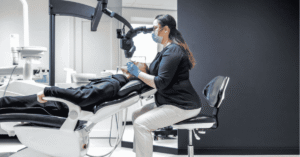
A comprehensive approach to health cannot overlook the mouth. Oral health is deeply connected to systemic conditions including cardiovascular disease, diabetes, and respiratory illness. Patients who receive patient-centred dental care alongside their primary care management benefit from a more complete picture of their overall health. Gum disease, for instance, has been linked to elevated inflammatory markers that contribute to heart disease a connection that underscores why primary care and dental care should not operate in silos.
Integrated health models increasingly recognise that oral health screenings and referrals should be part of routine primary care conversations. When patients understand that their dentist and their general practitioner are working within a shared philosophy of whole-person care, compliance improves and health outcomes follow. This kind of coordinated thinking is what separates reactive medicine from genuinely preventive healthcare.
Navigating Specialist Referrals and Surgical Decisions
Primary care providers also play a critical role in guiding patients through complex specialist referrals and surgical decisions. When a patient requires a procedure such as laparoscopic biliary tract surgery, the primary care physician is often the first to identify the need, prepare the patient for what lies ahead, and coordinate post-operative follow-up. Understanding the clinical standards that govern such procedures is essential for informed decision-making. Resources like the guidelines for the clinical application of laparoscopic biliary tract surgery provide the evidence-based framework that both surgeons and referring physicians rely upon to ensure patient safety and optimal outcomes.
The primary care physician’s role does not end at the referral. Effective post-surgical care, medication reconciliation, and recovery monitoring are all functions that fall within the primary care remit. Patients who have a trusted primary care relationship report feeling less anxious about surgical procedures and more confident in their recovery, precisely because they know there is a consistent, knowledgeable advocate managing their broader care.
Chronic Disease Management and Long-Term Monitoring
Chronic conditions such as type 2 diabetes, hypertension, asthma, and thyroid disorders require ongoing management that goes far beyond a single specialist visit. Primary care is uniquely positioned to provide this continuity. Regular monitoring of key health indicators, timely medication adjustments, and consistent patient education are the building blocks of effective chronic disease management. When patients understand their conditions and feel empowered to participate in their own care, adherence improves dramatically.
Mental health is another dimension that primary care is increasingly equipped to address. Anxiety, depression, and stress-related conditions are among the most prevalent health challenges globally, and they frequently intersect with physical illness. A primary care provider who screens for mental health concerns and facilitates appropriate support — whether through in-house counselling, referral, or medication management — delivers care that is genuinely holistic.
Cleveland Clinic Abu Dhabi: A Standard of Excellence in Primary Care
When it comes to delivering integrated, world-class healthcare in the region, Cleveland Clinic Abu Dhabi stands apart. Their approach to primary care reflects a philosophy that places the patient at the centre of every decision — combining the depth of specialist expertise with the continuity and personalisation that defines exceptional primary care. Patients benefit from access to a multidisciplinary team that communicates seamlessly, ensuring that no aspect of their health is managed in isolation.
The institution’s commitment to evidence-based medicine, preventive health, and patient education makes it a benchmark for what integrated primary care can and should look like. From routine wellness visits to the management of complex, multi-system conditions, the primary care team at Cleveland Clinic Abu Dhabi brings both clinical rigour and genuine compassion to every patient encounter.
Building a Healthier Future Through Consistent Care
The value of primary care is not always visible in a single appointment. It accumulates over time — in the early detection of a developing condition, in the lifestyle change that prevents a hospitalisation, in the referral made at exactly the right moment. This is the quiet, essential work of primary care: building health resilience year by year, appointment by appointment.
Patients who invest in a consistent primary care relationship are not simply managing illness — they are actively constructing a healthier future. In a world where healthcare is becoming increasingly complex and fragmented, the primary care physician remains the most important constant: a trusted guide through every stage of life, every health challenge, and every decision that matters.
Conclusion: The Case for Prioritising Primary Care
Integrated primary care is not a luxury or a convenience — it is the cornerstone of a functional, effective healthcare system. By prioritising continuity, prevention, and whole-person wellbeing, primary care providers deliver value that extends far beyond the clinic walls. For individuals, families, and communities alike, investing in quality primary care is one of the most impactful health decisions that can be made. The evidence is clear, the benefits are measurable, and the time to act is always now.