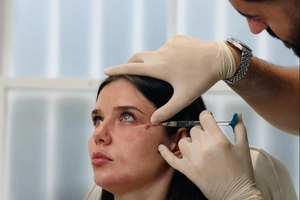
Nothing exposes a bad weekend, a bad month, or just a bad decade of sleep quite like the mirror on a Monday morning. Of all the treatments doing the rounds right now, the one that keeps coming up for exactly that problem is tear trough filler, and unlike half the things that trend for a season and vanish, this one has some genuinely interesting anatomy behind it.
It’s not really a skin problem
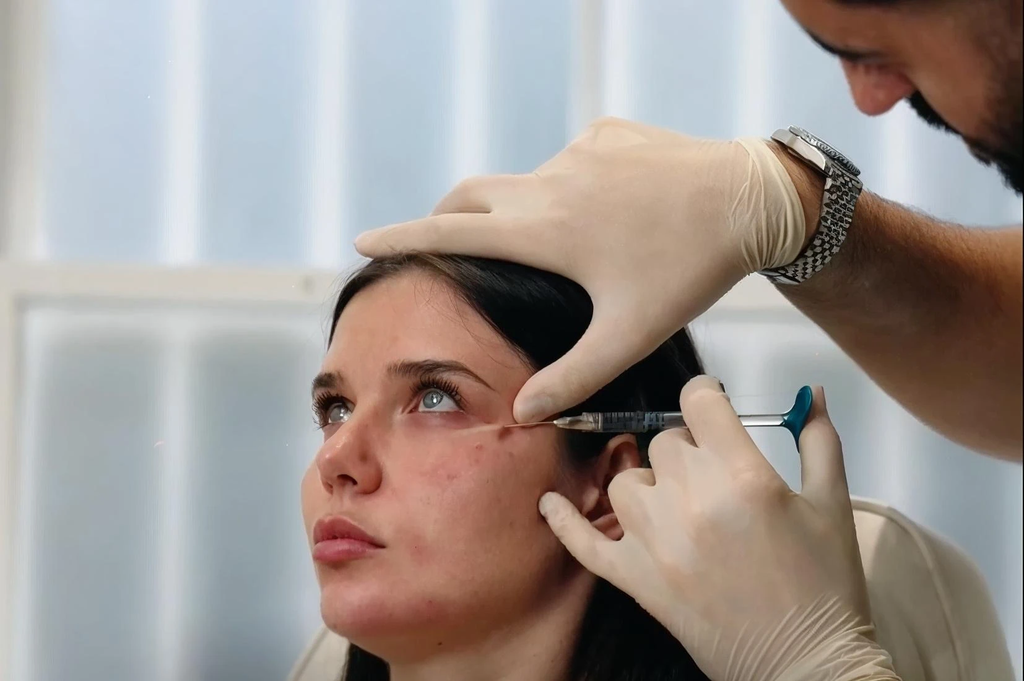
The hollow under your eyes isn’t about the skin itself. It’s structural, caused by volume loss in the fat pad that normally cushions the area, which creates a visible groove and a shadow that reads as tired regardless of how much sleep you actually got. The under-eye treatment that’s quietly taken over London addresses this with hyaluronic acid placed beneath the hollow to restore that lost volume, typically using a fine cannula rather than a needle to go easy on such delicate tissue.
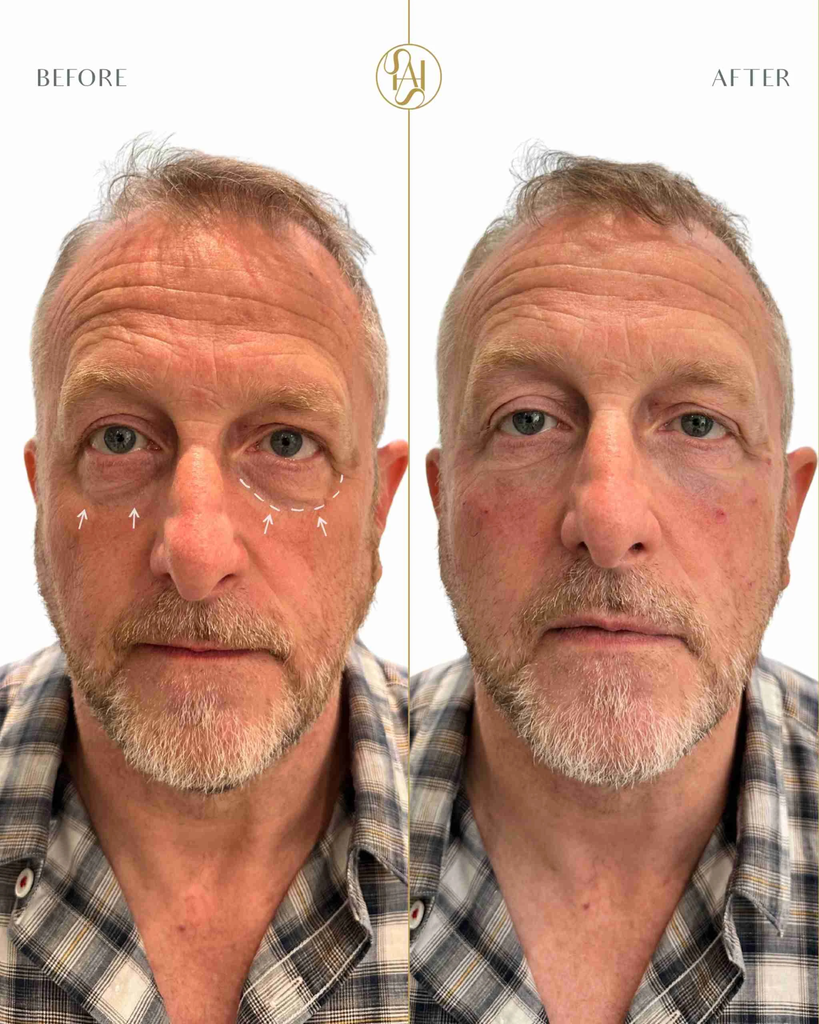
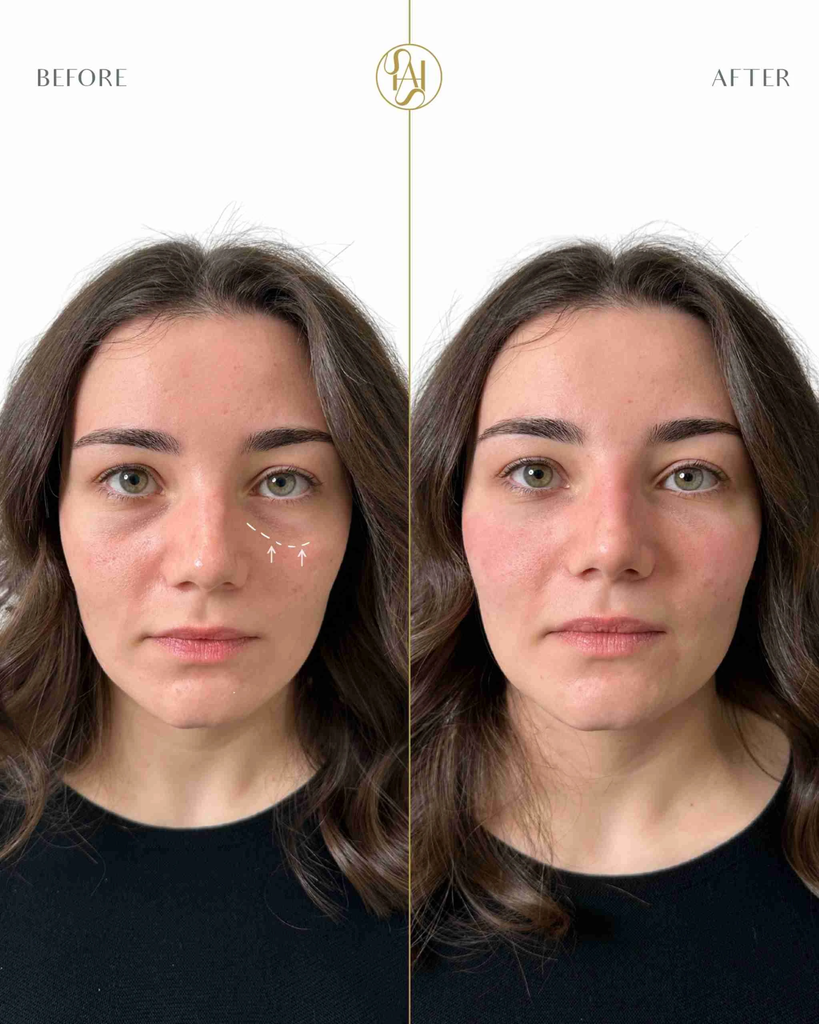
A session runs around 45 minutes under topical numbing. Results show immediately, the area fully settles over one to two weeks, and most people see it hold for 9 to 12 months before a top-up is worth thinking about.
What people are actually saying
“I had my tear troughs done today and I am very happy with the results. Dr Hass was very reassuring during the treatment and is also very knowledgeable about each procedure he does. Would definitely recommend him for tear trough fillers.”
What stands out in a review like that isn’t the result so much as how much weight patients put on feeling informed before anything started, which makes sense for a procedure where the gap between a good outcome and a visible mistake is genuinely narrow.
Why this is one area you really don’t DIY-research your way into
Here’s the part worth knowing before anyone goes near your under-eyes with a needle. There are two specific things that can go wrong. The first is the Tyndall effect, a bluish tint that shows up if filler sits too close to the surface. The second, rarer but more serious, is vascular occlusion, where filler affects blood flow given how much runs through the area.
As with any advanced facial aesthetics procedure, careful, precise placement avoids both issues entirely, rather than managing them after the fact. Dr Hasaneen Al Janabi, the GMC-registered surgeon and Royal College of Surgeons member who’s treated over 10,000 patients, puts it simply: careful, precise placement avoids both issues entirely, rather than managing them after the fact. If correction is ever needed anyway, hyaluronic acid filler dissolves with an enzyme called hyaluronidase within days.
Is it actually for you?
Good candidates are people with real volume loss causing a visible hollow, whatever the cause, ageing, genetics, or just chronic tiredness that’s stopped responding to concealer. It’s not the right fix for under-eye bags caused by excess skin or fat, which is a different problem entirely and sometimes needs a different, occasionally surgical, approach. A practitioner who checks for that distinction during consultation, rather than treating every complaint the same way, is generally the one worth trusting, however good the Monday morning sales pitch sounds.